
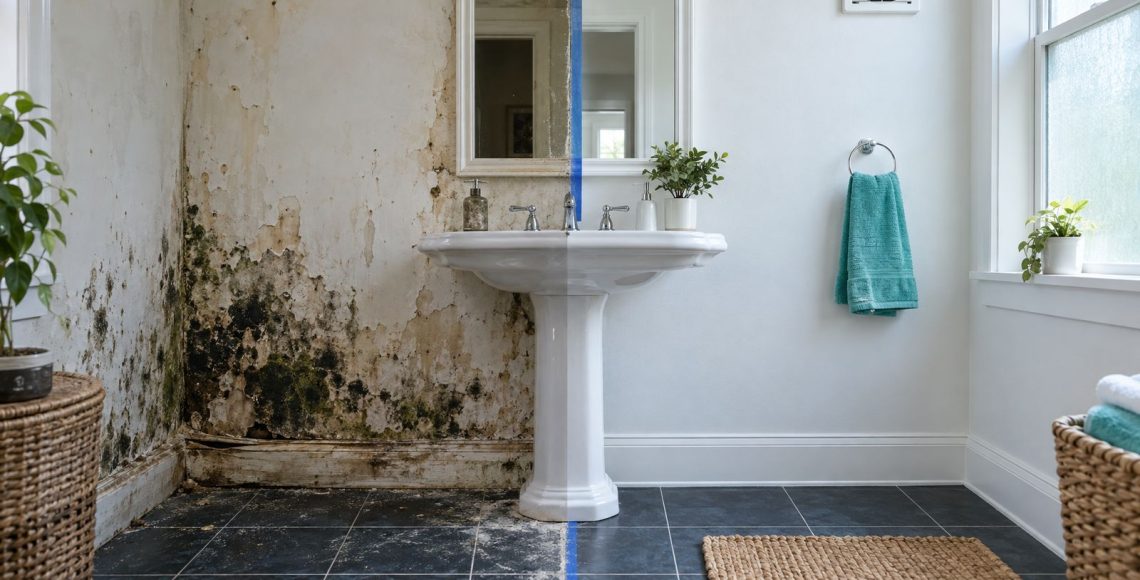
Discovering mold in your home can make you feel overwhelmed, particularly if it has spread across a large area or if it keeps coming back. This is the prime reason why a lot of homeowners turn to professional mold damage restoration services to handle the problem without any delay. The Mold Damage Restoration Process is not very simple, but with the best mold removal companies nearby, things can be handled efficiently and effectively.
If you have never gone through the Mold Damage Restoration Process, you might be wondering how things work and what professional mold removal companies do. This guide will walk you through the process step-by-step, so you know exactly what to expect.
Step 1: Inspection of the Property
The first step in the Mold Damage Restoration Process is a thorough inspection of the property. A certified technician will come to your home to check how much mold there is, what type it might be, and what the reason behind it is.
They would want to know things such as:
- When did you first notice the presence of mold?
- Has there been any water damage recently?
- Have you tried cleaning the place on your own?
Then, the experts will look for visible signs of mold; they will test the moisture levels in the air and surfaces, and in cases, they also take air samples in order to find hidden mold.
Once they get to know the extent of the problem, they will explain to you their findings and provide you with a detailed plan for how they will remove the mold and prevent it from coming back.
Step 2: Containment of the Area where you see mold
Mold spreads very easily, especially through tiny spores in the air. So, before any cleaning starts, mold removal specialists will set up containment barriers. These are usually plastic sheets or walls with special air filters to keep mold spores from spreading to other parts of your house.
They might also:
- Turn off your heating or cooling systems temporarily
- Use negative air pressure machines to pull contaminated air out.
- Seal the doors, vents, or any other openings in the affected area.
Step 3: Mold Removal and Cleaning
Now comes the main part: getting rid of the mold.
- First, you get rid of all things that have mold on them, such as the drywall, ceiling tiles, insulation, carpet, or furniture. All such stuff cannot be cleaned, so it has to be removed.
- Then the hard surfaces are scrubbed and disinfected with professional mold-killing cleaners.
- For removing spores and dust, HEPA vacuuming is done.
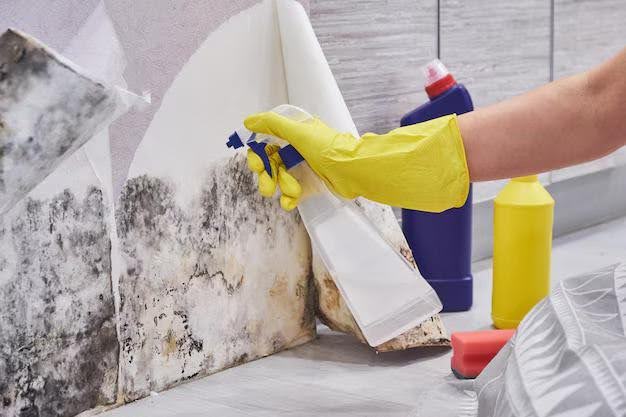
Every item and surface in the contaminated area will be carefully treated to make sure all mold is removed. Anything that cannot be cleaned is disposed of properly.
Step 4: Drying and Dehumidifying
Even if the mold is removed, if moisture stays behind, the mold will just come back. This is the reason why drying the area completely is a big part of the process.
Restoration teams will:
- Dehumidifiers are used to pull moisture from the air.
- Then, industrial fans are set to circulate air and speed up drying.
- The entire area is checked for hidden damp spots in walls, under floors, or behind the cabinets.
The team will check regularly to monitor progress and make sure everything is drying out properly.
Step 5: Repairs and Restoration
Once everything is clean and dry, the restoration experts try to put your home back together.
If moldy drywall or flooring was removed in the Mold Damage Restoration Process, the restoration company can rebuild or replace those materials. This part of the process may include:
- Replacing the drywall or insulation
- Repainting the walls or ceilings
- Installation of new carpet or flooring
- Rebuilding the damaged parts of cabinets or baseboards
Some companies provide complete remodeling services if the damage is significant. The goal is to leave your home looking like it was before. Hire mold removal companies such as Vortex Restoration if you want to have things returned to normal.
Step 6: Final Inspection and Prevention Tips
Before the job is complete, the technicians will do a final walk-through with you. They’ll make sure:
- All mold has been removed
- Moisture issues have been solved
- Repairs look good and are up to standard
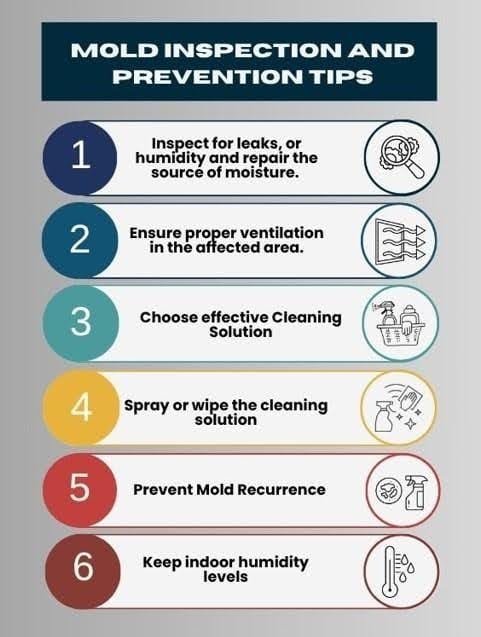
They’ll also give you prevention tips to help make sure the mold doesn’t come back. This might include:
- Installing a dehumidifier
- Sealing windows or pipes to prevent leaks
- Improving ventilation in bathrooms and kitchens
- Regular inspections are necessary if you live in a damp or humid area
How Long Does Mold Restoration Take?
The process can take anywhere from a day to weeks, depending on:
- How much mold has been there?
- How long has the area been damp?
- How much damage needs repairing?
- Whether materials need to be ordered
If the mold is only in a small area, you can often stay in your home while the work is being done. However, if the mold is widespread or in areas you use daily—like your kitchen, bedroom, or HVAC system—it might be safer to stay somewhere else temporarily.
Why is hiring professional mold removal experts important?
Some homeowners try to clean up mold themselves, especially if it’s small. But larger infestations—or mold caused by water damage—should always be handled by trained experts.
Professional mold restoration teams:
- Have the right equipment to clean and dry safely
- Know how to prevent mold from spreading
- Can find hidden mold that you might miss
- Understand building materials and what can be saved
- Follow safety guidelines to protect your family
In short, they do not just treat the surface; they offer a solution to the whole problem.
Final Thoughts
A professional mold damage restoration team will guide you every step of the way—from the first inspection to the final repairs—so you can get your home back to normal.
If you ever find mold or suspect there’s a problem, don’t wait. Act quickly, and call a trusted restoration company like Vortex Restoration to handle Mold damage restoration.