
Ventura County can go months without meaningful rain, and then an atmospheric river drops a season's worth of water in a couple of days. Roofs that seemed fine in August start dripping. Hillsides above burn scars let loose. Storm drains back up and water finds its way under garage doors and into crawl spaces. When that happens, fast and correct storm damage cleanup is what separates a manageable repair from a months-long rebuild.
The good news is that most of the worst outcomes are preventable, or at least containable, with a little preparation in the fall and a clear plan for the first 24 to 48 hours after a storm. This guide covers both: what to do before the rains arrive, and exactly what to do when water gets inside.
Why Storm Damage Hits Ventura County Homes So Hard
Our local climate creates a perfect setup for storm damage. Long dry stretches let roofs, gutters and seals deteriorate without anyone noticing. Then intense rain arrives all at once, often with wind, and exposes every weak spot at the same time.
A few local factors make things worse:
- Burn scars. After a wildfire, hillsides lose the vegetation that normally holds soil in place. Heavy rain on a burn scar can send mud and debris downhill toward homes that were never in the fire zone.
- Clay soils and slopes. Many neighborhoods sit on soils that drain slowly, so water pools against foundations and finds its way inside.
- Overwhelmed storm drains. When drains back up, water has nowhere to go except into low points, like garages, basements and crawl spaces.
- Coastal humidity. After the rain stops, damp air near the coast slows natural drying, which gives mold more time to get started.
Before the Storm: A Fall Preparation Checklist
The best time to think about storm damage restoration is before you need it. Spend an afternoon in October or early November working through this list.
Roof and gutters
- Clear gutters and downspouts of leaves, pine needles and ash.
- Make sure downspouts discharge at least several feet away from the foundation.
- Look for missing, cracked or curling shingles and damaged flashing around chimneys, skylights and vents.
- Check the attic with a flashlight for water stains on the underside of the roof deck from last season.
Drainage around the house
- Confirm the soil slopes away from the foundation on every side.
- Clear yard drains, area drains and the grates in front of your garage.
- If you have a sump pump, test it and consider a battery backup.
- Keep a few sandbags on hand if your property has a history of water at the garage or doorways. Many local fire stations and public works yards offer them before major storms.
Inside the home
- Know where your main water shutoff and electrical panel are, and make sure everyone in the household knows too.
- Move valuables, documents and photos off basement and garage floors.
- Photograph your home's condition room by room. These "before" photos are extremely useful if you need to file a claim.
- Save a restoration company's 24/7 number in your phone now, not in the middle of the night when you are standing in water.
Insurance check
Standard homeowners policies typically do not cover flooding from rising surface water, and flood coverage is usually a separate policy that can take time to go into effect. Ready.gov's flood preparedness and safety guidance explains this and walks through what to do before, during and after a flood. Review your policy before the season starts so you know what is and is not covered.
During the Storm: Stay Safe First
When the rain is coming down and water is getting in, safety comes before property.
- Do not walk or drive through moving water. Even shallow moving water can knock a person down or carry a vehicle.
- Stay away from electrical hazards. If water is near outlets, appliances or the panel, do not touch anything. Shut off power at the main only if you can do it without standing in water.
- Follow evacuation orders. If you live below a burn scar or on a slope, take mudflow and debris warnings seriously.
- Contain what you safely can. Buckets under drips, towels at door thresholds and moving furniture off wet floors can limit damage if it is safe to do.
After the Storm: The First 48 Hours of Storm Damage Cleanup
What you do in the first two days has an outsized effect on the final cost of repairs. Water that sits for longer than that can start to support mold growth and soak deeper into drywall, subfloors and framing.
Hour 1 to 6: Document and stop the source
- Make sure it is safe to enter. Watch for sagging ceilings, structural damage, downed power lines and gas smells.
- Stop the water if you can. Tarp an obvious roof opening only if it can be done safely from the ground or by a professional.
- Photograph everything before you move or throw anything away: the water line on walls, damaged contents and the outside of the home.
- Call your insurance company to start the claim, and call a restoration company to begin mitigation.
Hour 6 to 24: Extraction
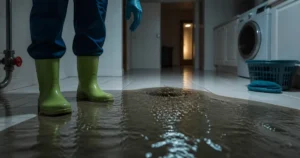
Standing water needs to come out fast. Professional crews use truck-mounted and portable extractors that remove far more water than shop vacs or towels. Wet carpet pad is usually removed, and baseboards may be pulled to let walls breathe.
Hour 24 to 48: Structural drying
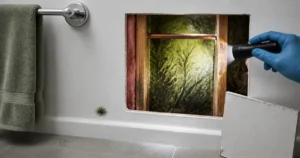
This is the step homeowners most often underestimate. Floors and walls can feel dry to the touch while the inside of the drywall, the subfloor and the framing are still saturated. Restoration technicians use moisture meters and thermal imaging to find hidden water, then set up commercial dehumidifiers and air movers. Readings are taken daily until materials are back to normal levels.
Day 3 and beyond: Cleaning, mold prevention and repairs
Once the structure is dry, affected areas are cleaned and treated, and damaged materials are repaired or replaced. If the water came from outside, it may be contaminated, and porous materials it touched usually need to be removed rather than dried.
Not All Storm Water Is the Same
The source of the water changes how storm damage cleanup is handled. Restoration professionals sort water into three general categories:
- Clean water from a supply line or rain coming straight through a roof opening.
- Gray water that carries some contamination, such as water that has run across floors or picked up debris.
- Black water that is grossly contaminated. Floodwater from outside, mudflow and storm drain or sewer backups all fall into this category.
Black water from flooding is not something to clean up with household products. It can carry bacteria, chemicals and debris, and porous materials it soaks into usually need to be removed and disposed of safely.
Mudslide Damage: A Special Case
Homes below recent burn areas face an added risk. Mud and debris flows can push into garages, crawl spaces and living areas and leave behind heavy, wet sediment. Mudslide damage requires removing the debris, cleaning and disinfecting affected areas, drying the structure and often checking the foundation and drainage. Do not attempt to dig out a home while slopes are still unstable, and follow local guidance about when it is safe to return.
DIY vs. Professional Storm Damage Restoration
Small, clean-water leaks caught early can sometimes be handled yourself with towels, fans and a rented dehumidifier. Call a professional when:
- Water covers more than a small area or reached multiple rooms.
- Water came from outside, a storm drain or the sewer.
- Carpet, drywall or insulation is soaked.
- You smell mustiness a day or two after the storm.
- Water is in the crawl space or under flooring where you cannot see or dry it.
- You need documentation for an insurance claim.
When water spreads beyond a small spill, our water damage restoration team can extract it, dry the structure properly and document every step for your adjuster.
Frequently Asked Questions About Storm Damage Cleanup
What should I do first after storm damage?
Make sure everyone is safe and the structure is stable. Avoid standing water near electrical outlets or appliances. If it is safe, stop the source of water, photograph all damage before moving anything, then contact your insurance company and a restoration company. Starting storm damage cleanup within the first 24 to 48 hours limits how far the water spreads.
How quickly does mold grow after a storm?
Mold can begin growing on damp materials within 24 to 48 hours. That is why fast water extraction and thorough structural drying matter so much after a storm. Drywall, carpet pad, insulation and wood framing that stay wet can develop hidden mold even when surfaces look dry.
Does homeowners insurance cover storm damage?
Many homeowners policies cover sudden damage from wind or rain entering through a damaged roof or window. Flooding from rising surface water is typically excluded and requires a separate flood policy. Coverage varies widely, so review your policy before the rainy season and talk with your agent about any gaps.
Is floodwater dangerous to clean up myself?
Floodwater from outside is considered contaminated and can carry bacteria, chemicals, sewage and debris. Wear protective gear if you must enter, avoid skin contact, and keep children and anyone with respiratory issues away. Porous materials soaked by floodwater usually need professional removal and disposal rather than simple drying.
How long does storm damage restoration take?
Water extraction usually happens on day one, and structural drying commonly takes three to five days, depending on how much water got in and what materials were affected. Repairs and rebuilding can add more time. Larger losses involving contaminated water or mudflow typically take longer from start to finish.
Can I dry my house with fans and open windows?
Fans and open windows help with small, clean-water leaks, but they rarely dry wall cavities, subfloors and framing completely. Coastal humidity in Ventura County can slow drying even further. Professionals use commercial dehumidifiers, air movers and moisture meters to confirm materials are actually dry, not just dry to the touch.
What causes water to come in under the garage door during storms?
Water usually enters under garage doors when the driveway slopes toward the house, when the door seal is worn or when nearby drains are clogged or overwhelmed. Clearing drains, replacing the bottom seal, adding a threshold seal and keeping sandbags ready can all help before the next storm.
How do I prepare my home for the rainy season?
Clean gutters and downspouts, inspect the roof and flashing, confirm soil slopes away from the foundation, clear yard and area drains and test your sump pump. Inside, move valuables off low floors, know where your shutoffs are, photograph your home's condition and review your insurance coverage before the first storm.
What is the difference between storm damage cleanup and water damage restoration?
Storm damage cleanup covers everything a storm causes, including water intrusion, debris, mud and sometimes structural damage. Water damage restoration is the core of most storm cleanup and focuses on extracting water, drying the structure and preventing mold. Most storm losses involve both.
Do you offer emergency storm damage cleanup near me?
Vortex Restoration provides 24/7 emergency storm damage cleanup across Ventura and Santa Barbara Counties, including Camarillo, Oxnard, Ventura, Thousand Oaks, Simi Valley, Moorpark and surrounding communities. We work directly with your insurance company.
Water Coming In? We Answer 24/7
Storms do not wait for business hours, and neither do we. Vortex Restoration is locally owned and based in Camarillo, with IICRC certified technicians who handle storm damage cleanup, water extraction, structural drying and mold prevention from start to finish.
Call 805-443-8055 any time, day or night, for emergency service and a free estimate. We serve homes and businesses throughout Ventura and Santa Barbara Counties.