Understanding the Smoke Damage Restoration Process: What to Expect

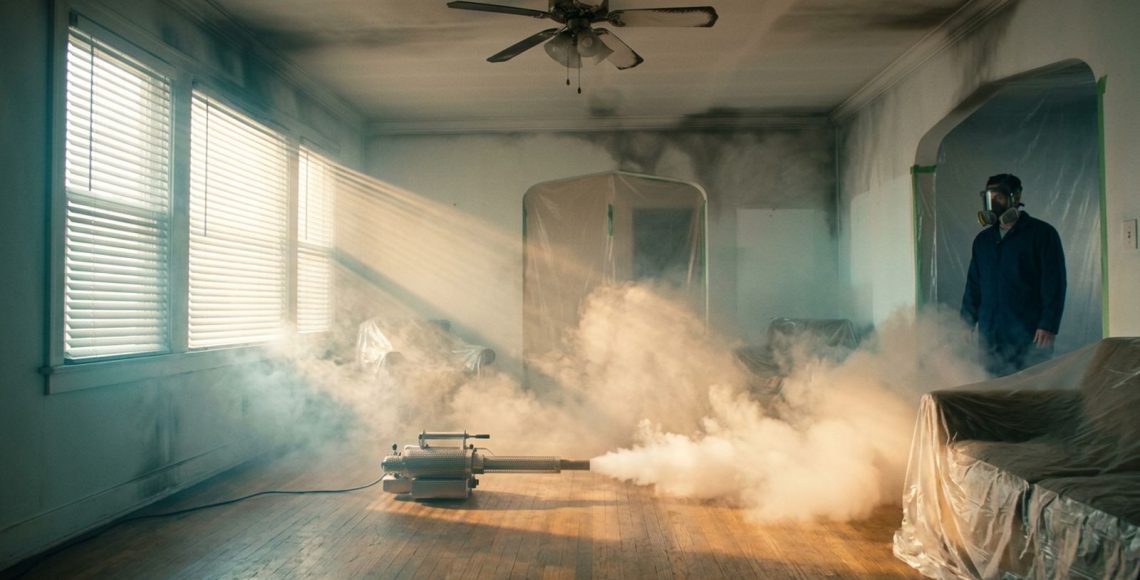
Thermal fogging deodorization mist drifting through sunbeams in a smoke damaged living room
When a fire occurs and spoils your home, it is vital to hire fire and smoke damage restoration services to ensure that things come back to normal. Even if your home has not been damaged by fire, smoke can mess things up in unimaginable ways. Smoke damage restoration is an integral part of recovering a property post-fire. Many steps form part of the smoke damage restoration process.From cleaning the place to repairing and deodorizing areas affected by smoke and soot, a lot has to be done to restore it to its original form. Homeowners can expect several detailed steps to ensure that the home is fully restored to its pre-fire condition. The fire damage repair and restoration process starts with assessing the damage done to the property. All other steps follow later.Let us give you a breakdown of what to expect during the smoke damage restoration process.
  1. Assessment and Inspection
The main step in the smoke damage restoration process is assessing the extent of damage that has been caused due to the fire. Professionals from fire and smoke damage restoration services will come and inspect your property to evaluate the extent of smoke, soot, and fire damage.This encompasses:
  • Identifying the extent of damage caused to different affected areas, such as walls, floors, ceilings, furniture, and ventilation systems.
  • Determining the kind of smoke that has caused damage. This will help you select the appropriate cleaning methods.
  • Assessing the structural damage to ensure what safety procedures to pit in before the restoration work starts.
The benefit of this initial inspection is that restoration experts can come up with a detailed plan of how to go about things. They are also able to provide the homeowners with a timeline as well as a cost estimate for the fire damage repair and restoration.
  1. Immediate Board-Up and Roof Tarping if at all required
In cases where the fire has caused a huge amount of structural damage, restoration teams may conduct emergency board-up services. They might place tarps on the damaged roofs. With this step, any further damage from the elements is avoided. Also, it will maintain the structural integrity of the building and avoid any unauthorized access to the area.
  1. Water Removal and Drying
In case water is used to extinguish the fire, the affected area has to be dried immediately. Water damage restoration is essential to prevent mold growth and further damage. Technicians use industrial-grade equipment along with dehumidifiers to:
  • Extract standing water.
  • Dry carpets, furniture, and other materials.
  • Monitor moisture levels so that complete dryness of the area is ensured.
  1. Soot and Smoke Removal
Soot and Smoke Removal - Vortex RestorationThe next step in smoke damage restoration is the removal of soot and smoke residues from surfaces. Smoke and soot particles can stick to the walls, ceilings, furniture, and other household items. The process encompasses:
  • Use of specialized equipment, like the air scrubbers, ozone generators, etc. All these not only clean the air but also help remove smoke odor.
  • Then the surfaces are cleaned with industrial-grade cleaners that are designed to break down soot and prevent staining.
  • After this, all things that are damaged and cannot be restored, such as drywall or insulation, are removed. This is done to avoid lingering odors.
  1. Deep Cleaning and Deodorizing
After the initial soot removal, deep cleaning and deodorizing are carried out to eliminate smoke odors from the home entirely. This process may include:
  • Cleaning the air ducts, vents, and HVAC systems. This is done so that any lingering smoke particles are removed.
  • Next carpets, curtains, and upholstery are also treated with special cleaning agents as well as odor-neutralizing products.
  • Hydroxyl or ozone treatment is done to neutralize the smoke odors.
These techniques make the home free from any residual smoke smell. It also makes the atmosphere of the home clean and fresh.
  1. Repairs and Restoration
The final step in the smoke damage restoration process is repairing and restoring any damaged parts of the home. This phase may involve different steps:
  • Replacing the drywall, insulation, or flooring in case they have been damaged due to fire, smoke, or water.
  • Repainting of walls and ceilings that were affected by the smoke stains.
  • Refinishing or replacing the furniture that got spoilt due to fire.
  • Reconstructing any structural elements that were compromised during the fire.
The main aim of this stage is to bring the home back to its original condition. So, in short, all the signs of damage are removed and the home is brought to the pre-existing stage.Choosing a Professional Service: Fire Restoration Services Near YouWhen searching for “fire restoration services near you,” it’s essential to choose a professional restoration company experienced in handling fire and smoke damage. Homeowners should consider companies that:Fire Restoration Services Near You - Vortex Restoration
  • Fire restoration companies that are certified by the Institute of Inspection, Cleaning and Restoration Certification (IICRC).
  • Companies that have positive customer reviews.
  • Companies that give you a clear and detailed estimate of the costs.
  • Go for companies that provide you with a timeline for repairs
  • The companies that offer 24/7 emergency services
Other Points of Concern for Homeowners
  • Insurance Claims Assistance: Many fire and smoke damage restoration services offer help with the insurance claims process. Professionals can document the damage and communicate with the insurance company to ensure a smoother claim process.
  • Preventative Measures: After restoration, homeowners can take steps to reduce the risk of future fire damage, such as installing smoke alarms, using fire-resistant materials, and maintaining proper ventilation.
  • Regular Maintenance: To prevent issues like lingering odors or soot residue, homeowners should periodically clean HVAC systems and ducts, especially if they experienced a fire in the past.
Benefits of Hiring Professional Fire and Smoke Damage Restoration ServicesProfessional services offer specialized equipment, trained personnel, and expertise to handle complex restoration tasks. Key benefits include:
  • Speed and Efficiency: Professionals can restore homes faster than if you as homeowners attempt to do things on your own. Also when we look at costs and time, it is considerably less when you hire a professional to do things.
  • Thorough Cleaning: Experts ensure that every part of the home, including hidden areas like vents and attics, is thoroughly cleaned and deodorized.
  • Safety Assurance: Restoration companies follow safety protocols, ensuring that the home is structurally sound and free from hazards such as mold or toxic fumes.
ConclusionAll these steps make sure that the fire-damaged property is put back to its pre-loss condition. When a thorough assessment of the property is done, the service provider knows exactly what needs to be done so that the house is restored to its original form. Choosing a reliable fire and smoke damage restoration service such as Vortex Restoration is important so that everything is done in an orderly and professional manner. These professionals make sure the entire process is smooth and efficient. With them, you can be certain of quality results.

Frequently Asked Questions

How long does smoke damage restoration usually take?

Light smoke damage confined to a room or two can often be cleaned in several days. Heavier damage that requires removing drywall, cleaning ductwork, deodorizing the structure and cleaning contents can take weeks before rebuilding begins. The size of the fire, the type of smoke and how quickly cleaning starts all affect the schedule, and insurance approvals can add time.

Can smoke damaged walls be cleaned, or do they need to be replaced?

Many walls can be cleaned if the residue is light and dealt with early. Technicians start with dry soot sponges, then use cleaners matched to the type of residue, and finish with an odor sealing primer before repainting. Walls usually need replacing when heat warped them, soot penetrated deep into the drywall, or water from firefighting soaked them.

Does homeowners insurance cover smoke damage?

Smoke damage from a sudden fire is typically covered under standard homeowners policies, including cleaning, deodorizing and damaged contents. Coverage for smoke from a nearby wildfire is often included too, though the details vary. Smoke from long term sources like fireplaces or smoking indoors is generally not covered. Document everything and get an inspection report to support the claim.

Can smoke from a neighbor's fire or a wildfire damage my house?

Yes. Smoke and fine ash travel through attic vents, gaps around windows and HVAC intakes, then settle on surfaces and in fabrics. Homeowners in Ventura County and Santa Barbara County often find smoke residue and odor after wildfire seasons even though the fire never touched their property. A wipe test on a light colored surface is a quick way to spot residue.

Is it safe to live in a house with smoke damage?

It is not ideal. Soot can contain fine particles and chemicals from burned plastics, fabrics and building materials that irritate lungs, eyes and skin. People with asthma, heart conditions, young children and older adults are most sensitive. If the smell is strong or you can see soot on surfaces, stay elsewhere until the home has been professionally cleaned.

How do professionals get rid of the smoke smell for good?

They remove the source first, then treat what is left. That means cleaning or removing soot covered materials, cleaning the ductwork, and then using deodorizing methods such as thermal fogging, hydroxyl generators or ozone treatment when the home is empty. Sealing primers lock in any lingering odor on framing. Air fresheners and candles only cover it for a short time.

Should I have my air ducts cleaned after a fire?

Yes, in most cases. If the system ran during or after the fire, it pulled smoke and soot into the ducts and will keep blowing residue and odor into every room. Replace the filter right away, avoid running the system until it is inspected, and have the ductwork cleaned as part of the smoke damage cleanup.

Why does the smoke smell come back on humid or foggy days?

Moisture in the air reactivates odor molecules trapped in porous materials like drywall, wood and insulation. Along the Ventura and Santa Barbara coast, the marine layer can bring that smell back weeks after a cleanup that seemed finished. It usually means residue was left in a hidden spot, and that area needs to be found and treated again.

What is the difference between wet smoke and dry smoke residue?

Dry smoke comes from fast, hot fires burning wood and paper. It leaves a powdery residue that is easier to clean. Wet smoke comes from slow, smoldering fires and burning plastics or rubber, leaving a sticky, smeary residue with a strong odor. Protein residue from kitchen fires is nearly invisible but smells awful. Each type needs a different cleaning method.

Why does soot need to be cleaned quickly after a fire?

Soot is acidic, and it starts to discolor and etch surfaces soon after the fire. Within days it can yellow plastics, stain grout and tarnish metal, and over the following weeks it can permanently damage finishes, glass and electronics. Fast cleaning often means saving items that would otherwise need replacing. Reach out through our contact page or call any time for 24/7 service.

Share On Social

Contact Us

Follow Us

Recent Posts