The term “mold” is sure to raise eyebrows of most homeowners. It is not only unsightly and might reduce the value of your home, but it is also extremely harmful for your health as it leads to multiple diseases and allergies. The Mold remediation process is a complex process, and it is important that you hire the services of a mold remediation company to handle it properly.
We will walk you through what mold remediation is all about so you know what to expect and how to make the best choices along the way.
What Is Mold Remediation?
Mold remediation is the process of cleaning, removing, and treating the areas that have been contaminated with mold. It is not just about wiping the mold that is visible to you - it is about identifying the source that has led to mold formations, preventing any kind of further growth, and making certain your home or any place where there is mold is safe as well as healthy moving forward. Hire the best mold remediation services, such as Vortex Restoration, for mold cleanup.
What happens in the mold remediation process?
1. Initial Walkthrough and Moisture Check
What to expect:
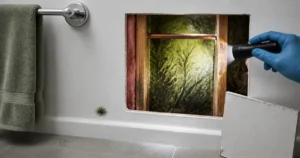
A professional mold remediation company will commence the process with a walkthrough of your home. They will look for visible signs of mold. Also, they will check for moisture. These companies have tools such as thermal imaging cameras or moisture meters. These will be used to find hidden mold.
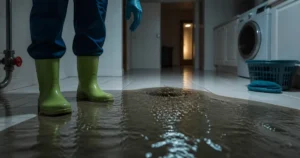
Sometimes, in cases where the mold is widespread or the cause is not very obvious, the mold clean up company may recommend an air quality test from an independent mold assessor, who sends the samples to a lab. This will help to find out the mold type and spore levels in the air. Always make a list of areas where you have seen mold or where there is a presence of musty smells. You should also share any water damage history (such as leaks, flooding, or humidity issues) with the mold remediation expert. This will help them in doing their work in a better and more efficient way.
2. Containment of Affected Areas

Why is this important:
Mold spreads faster than you can imagine. Just disturbing the mold can send thousands of tiny spores into the air, so this can travel to other parts of your home, and in a matter of time, your entire home might get affected due to it.
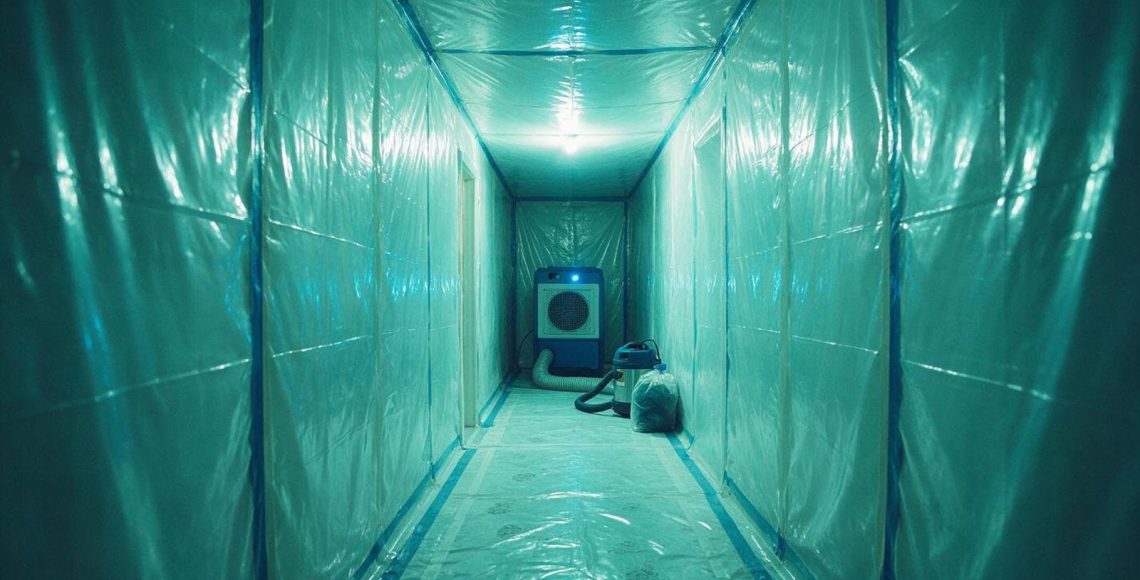
The remediation professionals first isolate the area where there is mold by using plastic sheeting, tape, and negative air pressure machines. (These are basically high-powered filters that suck contaminated air out and keep spores from escaping in the air). When the area where there is mold is contained, it is a win-win for all. The mold remediation experts have to take care of a smaller space, and you save yourself from extra hassle. If the mold is in your bathroom, kitchen, or HVAC system, you may lose access to those spaces for a few days, so it is vital that you plan accordingly so that any kind of inconvenience is minimized.
3. Removal of Mold-Infested Materials
Unfortunately, it is always the case that there are some items that cannot be saved. Porous materials such as drywall, carpeting, ceiling tiles, and insulation that are full of mold usually need to be removed and discarded. There is no way that they can be salvaged.
Then there are non-porous surfaces such as metal, glass, and hard plastics. These can usually be cleaned as well as sanitized. Semi-porous materials such as wood may be cleaned, sanded, and treated if the mold has not penetrated deeply. So, in short, it depends on the material to material how it will be handled.
Professionals may also clean and treat your personal items. In some cases, you will be asked to move or temporarily remove things from affected rooms, especially fabrics, papers, or furniture.
4. Cleaning and disinfecting the mold-infested area
Once the contaminated materials are removed, it is time to deep-cleaning everything. This includes:
- HEPA vacuuming (this is done to catch any tiny mold particles that might be present in the area)
- Scrubbing the surfaces with antimicrobials so that there is no longer any sign of mold
- Application of anti-microbial or anti-fungal treatments. This is done to prevent any kind of re-growth in the area and keep the place mold-free.
In some cases, it is seen that mold clean up teams may run air scrubbers or may even use fogging machines. This is done to clean the air and have superior air quality. It also helps to remove airborne mold spores and do away with future issues that can show up if the work is not done properly. It is important to contain the area where disinfecting is done so that spores do not spread and further contaminate a place.
Mold remediation companies use:

- Dehumidifiers are used to remove moisture from the air.
- Fans are used to increase airflow and speed up drying.
- Moisture meters to check walls, floors, and air for any leftover dampness.
During this time, the homeowners are advised to keep windows closed unless they are told otherwise, as outside humidity can slow down drying. Everything is air sealed. The work chamber is placed in negative air pressure so that mold particles are collected during the process. Once this all process is complete, an industrial hygienist will come out to perform a
post air clearance test. He/ she and submits the sample to a 4th party laboratory where the laboratory will put together the official test results, in order for us to get a pass. The air quality has to be safer, cleaner in the chamber than it is outside your home.
5. Repairs and Restoration
Once the mold is gone and everything is dry, the final step is to repair or replace anything that was removed. This may include:
- New drywall or ceiling panels.
- Repainting walls or ceilings.
- Replacing carpet, baseboards, or insulation.
- Fixing pipes or sealing cracks that caused moisture in the first place.
Also, go in for an expert to carry out repairs; otherwise, things can get cumbersome for you.
6. Final Walkthrough and Independent Testing
After all work is complete, a final walkthrough may be done to make sure:
- The mold is fully removed.
- The area is dry and clean.
- The air quality has improved.
Some homeowners also go in for post-remediation testing, especially if the original mold problem was severe. An independent third-party inspector can check if the mold levels are safe again. Always have copies of all reports and test results for your records; this holds all the more importance if you plan to sell your home in the future.
So, these are some things that form part of the home remediation process. Make sure you hire Vortex Restoration, the best mold remediation experts, for all your work.