Top 5 Causes of Water Damage and How to Prevent Them

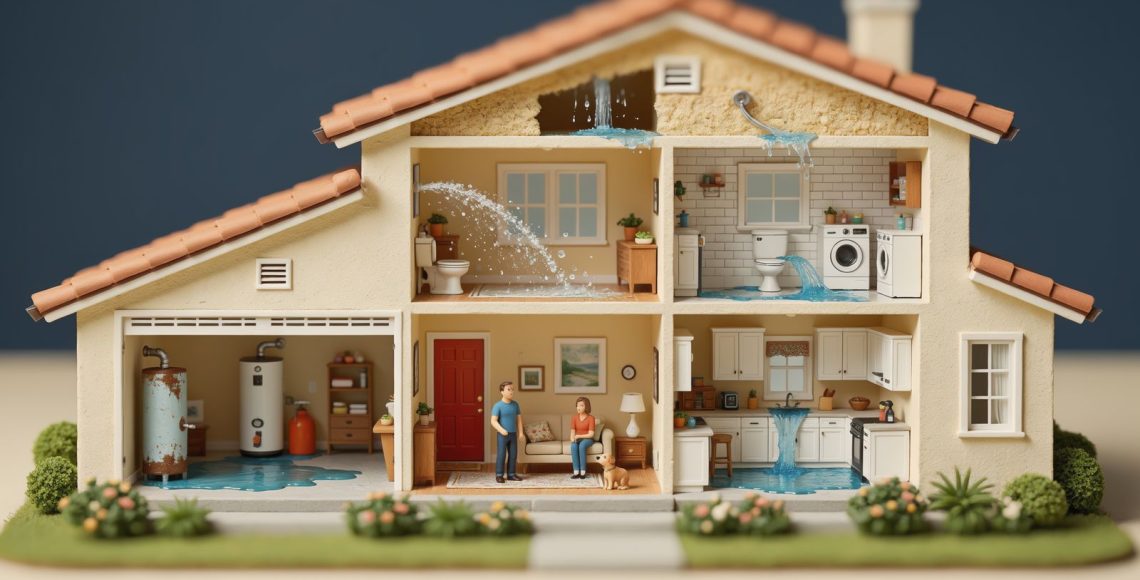
Miniature cutaway model of a home showing five common causes of water damage
If you are a homeowner, you'll know that water damage is your biggest enemy. As a matter of fact, you would want to do everything to prevent it. Water damage is the leading cause of costly repairs. Let us tell you the causes of water damage. It can stem from natural causes such as floods or from preventable problems such as leaks. When you know what causes water damage, you can take steps to prevent or minimize damage.Mentioned below are reasons for water damage and how to prevent water damage.
  1. Plumbing Leaks in the Home
The very big culprit of water damage is plumbing leaks. There can be pipes that break or crack, and this corrosion can leak water into walls, ceilings, floors, etc. There can be significant damage over time. The reason behind this can be poor installation techniques, lack of maintenance, etc. Also, if your home is too old, it can contribute to these issues.

Common Causes of Water Damage:

  • Corrosion- The pipes can get corroded, especially if your water is highly acidic or if it contains minerals.
  • High Pressure in the Pipes: There can be excessive pressure in pipes, and this can lead to cracks or bursts.
  • Frozen Pipes: In colder climates, water in pipes can freeze, causing pipes to burst.

Prevention Tips:

  • Regular Inspection: You should carry out routine checks on visible pipes for leaks, corrosion, or wear. Check for moisture stains or small leaks around the base of sinks or in the basement.
  • Maintain Optimal Water Pressure: The water pressure in your home should be within safe limits. 
  • Winterize Pipes: Insulate the exposed pipes in colder climates. This will prevent freezing during winter months. Also, let the faucets drip slightly during freezing conditions; this will keep the water moving.
  • Replace Old Pipes: If your home has outdated piping systems, go in for a complete overhaul to prevent constant leaks.
  1. Leaks in the roof
This is particularly seen during heavy rains or storms. The water can seep into the attic and down into the rest of the house, and this can cause huge damage to ceilings, walls, and insulation.

Common causes of water damage on the ceiling:

common causes of water damage on the ceiling - Vortex Restoration
  • Damaged or Missing Shingles: Due to high winds, hail, or age the shingles can be damaged, leaving your roof exposed.
  • Clogged Gutters: If there are blocked gutters on the roof, it can lead to water accumulation.
  • Improper Roof Installation: Poor workmanship or low-quality materials can also cause the roofs to fail prematurely.

How to prevent water damage:

  • Regular Roof Inspections: It is important to get the roof inspected annually, especially after severe weather.
  • Clean the Gutters and Downspouts: The gutters and downspouts should be clean and free of any debris. This will prevent the water from pooling on the roof and seeping through the cracks.
  • Repair Roof Immediately: In case you notice any damage, get it repaired without any delay.
  1. Faulty Appliances
We all use home appliances such as washing machines, dishwashers, refrigerators, and water heaters. These can cause significant water damage if they malfunction or leak. Do not let appliance-related water damage spoil your home.

Common Appliance Issues:

  • Washing Machines: Old or worn-out hoses can burst, and this can lead to flooding.
  • Water Heaters: Tanks experience high pressure. They leak or burst causing water damage
  • Dishwashers and Refrigerators: Seals or hoses can fail; this can cause slow leaks which usually go unnoticed.

Prevention Tips:

  • Regular Maintenance: You should get regular inspections of hoses and connections on washing machines, dishwashers, and refrigerators. Replace the rubber hoses with stainless steel-braided ones for extra durability.
  • Do regular inspection of the Water heater: The water heater in your home should be inspected regularly for any leaks or signs of corrosion.
  • Put in Water Leak Detectors: Place water sensors under appliances that are prone to leaks.
  1. Clogged Drains
Clogged drains in sinks, showers, and toilets can cause water to back up, leading to overflows and water damage. Over time, blocked drains can also lead to slow leaks that damage flooring, cabinets, and other nearby structures.

Common Causes of Clogged Drains:

  • Hair and Soap Scum: These are common culprits in bathroom drain clogs.
  • Foreign Objects: Items like paper towels, sanitary products, or even small toys can clog drains in toilets or other plumbing systems.

Prevention Tips:

  • Use the Drain Guards: Install drain covers in sinks and showers. This will catch hair, soap, or any other debris.
  • Avoid Pouring Grease Down the Drain: You must put the cooking grease in the trash. It should not be put in the kitchen sink. Even if you use hot water, the grease can solidify in pipes and this can lead to clogs.
  • Clean the drains regularly: You can put boiling water to clean the drains
  • Professional Help: If clogs persist, consult a professional plumber to inspect and clean the drains properly.
  1. Natural Disasters and Flooding
natural disasters and flooding - Vortex RestorationFloods caused by natural disasters such as hurricanes, heavy rains, and overflowing rivers can result in catastrophic water damage. Even if your home is not in a flood-prone area, unexpected heavy rainfall or nearby construction that alters drainage patterns can still pose a risk.Common Flooding Causes:
  • Heavy Rains: Intense rainfall can ruin your drainage systems, and this can lead to flash floods.
  • Hurricanes and Storm Surges: Coastal areas are particularly susceptible to storm surges and extreme weather events and this can lead to water damage.
Prevention Tips:
  • Install a Sump Pump: If you live in a flood-prone area or have a basement, installing a sump pump can help keep your home dry by directing water away from your foundation.
  • Ensure Proper Grading: Make certain that the yard slopes away from your home. This will prevent water from pooling near your foundation. 
  • Seal Cracks in the Foundation: Water can seep through cracks in your foundation, especially during heavy rains. You must put waterproof sealants on your basement walls as well as floors to avert this.
  • Flood Insurance: The regular insurance does not cover flood damage. In case you live in an area that is prone to flooding, you must buy flood insurance to shield your home and possessions.
Wrapping UpWater damage is a very common but critical issues issue that can wreak havoc on your home. It can lead to expensive repairs and long-term structural problems. So, go ahead and invest in preventive actions such as regular inspections of your pipes, drains, etc, and save yourself from the heartache and financial burden of water damage. Even though some causes, like natural disasters, are beyond your control, preparing your home with proper safeguards can hugely minimize the associated risks.For the best and the most efficient water damage repair services, you must get in touch with the experts at Vortex Restoration in Ventura. They provide affordable and prompt services without any hassle.   

Frequently Asked Questions

Which of the top causes of water damage is the most common?

Plumbing and appliance failures are among the most common sources of water damage claims. That includes burst supply lines, leaking water heaters, failed washing machine hoses and slow drips under sinks. Many of these give small warning signs first, like damp cabinet floors or rust stains, so a quick monthly look under sinks and behind appliances can catch problems early.

How often should I swap out washing machine hoses to prevent leaks?

Many manufacturers recommend replacing washer hoses about every five years, sooner if you see bulges, cracks or rust at the fittings. Braided stainless steel hoses hold up better than plain rubber. Leave a few inches of space behind the machine so the hoses do not kink. If you leave for a long trip, turning off the supply valves is cheap insurance.

How can I tell if I have a hidden water leak?

Turn off every faucet and appliance, then check your water meter. If the dial still moves, water is going somewhere. Other signs include a musty smell, warped or soft flooring, bubbling paint, ceiling stains and a water bill that jumps without explanation. A restoration company can use moisture meters and thermal cameras to find wet areas inside walls.

Does homeowners insurance cover water damage from a burst pipe?

Usually yes, when the damage is sudden and accidental, like a pipe that bursts without warning. Policies often exclude damage from slow leaks that went on for a long time, wear and tear, and outside flooding, which needs a separate flood policy. Report the loss quickly, document it with photos, and keep receipts for any emergency work.

If a supply line or pipe bursts, what is the very first thing to do?

Shut off the main water valve right away, then turn off power to wet areas if you can do it safely. Move furniture, rugs and valuables out of the water, take photos, and start removing standing water. Then call for professional water damage restoration. Vortex Restoration answers 24/7 at 805-443-8055.

What are the warning signs a water heater is about to fail?

Watch for rusty or discolored hot water, rumbling or popping sounds, moisture or rust around the base, and hot water that runs out faster than it used to. Most tank heaters last around a decade, so an older unit showing any of these signs deserves attention. Installing a drain pan and a leak sensor underneath limits the damage if it does let go.

Can a small, slow leak really cause serious damage?

Yes, and slow leaks are often worse than sudden ones because nobody notices them. Water soaks into subfloors, drywall and framing for weeks, causing rot, swelling and mold. Mold can start growing on wet materials within 24 to 48 hours. By the time a stain shows up on the ceiling, the damage behind it is often much larger than it looks.

Are water leak detectors and automatic shutoff valves worth it?

For most homes, yes. Simple battery sensors under sinks, toilets, water heaters and washers sound an alarm or send a phone alert when they get wet. An automatic shutoff valve goes further and closes the main water line when it detects a leak. They are especially useful for second homes, rentals and anyone who travels often.

Why do Ventura County homes get water damage during winter storms?

Our area can go months without much rain, then get heavy storms that test roofs, gutters and drainage all at once. Clogged gutters overflow, cracked flashing lets water in, and poorly graded yards send runoff toward the foundation. Homes on raised foundations can collect water in the crawl space. Clean gutters and check your roof before the rainy season starts.

Do coastal homes in Santa Barbara County have extra moisture problems?

They can. The marine layer keeps humidity high near the coast, so wet materials dry more slowly and condensation forms on cold windows, pipes and crawl space surfaces. That moisture adds up over time and can lead to mold and wood rot. Good ventilation, a dehumidifier in damp rooms and crawl space encapsulation can help keep things dry.

Share On Social

Contact Us

Follow Us

Recent Posts