Untreated water damage can have serious implications for homeowners. Stagnant water or seepage can lead to the proliferation of mold in an area and this can cause illness and disease. Sometimes people are unable to understand the reason behind their illness and eventually, mold spores are identified as the cause. The most obvious signs of untreated water damage are stains on the walls. These can harm your property’s structural strength. It is important to get in touch with a reputed water damage repair company as soon as such things happen and you see signs of a leak anywhere. However, there are so many more risks that are linked to untreated water damage that most people are not aware of until they face problems caused by it. Untreated water damage is known to make your living space uncomfortable; it can cost huge chunks of money on repairs, and can even turn your home into a health risk.Let us talk about it in detail.Mentioned below are long-term effects of untreated water damage: Structural as well as aesthetic damage are two key outcomes of untreated water damage. For instance, in case water from a leaky pipe soaks into the floor of your home, you will see water stains and the entire area will become unsightly. Water damage can completely ruin wooden floors.Now, if all such things happen the value of your property will reduce hugely. Water stains cannot be covered with paint. It is extremely tough to get rid of the mold. So, if you have been thinking of selling your property and have any of these issues, be prepared to hire professionals to help clean up.

- It Exposes Your Living Space to Serious Infestation
- Adverse Impact on Your Property Value
 Structural as well as aesthetic damage are two key outcomes of untreated water damage. For instance, in case water from a leaky pipe soaks into the floor of your home, you will see water stains and the entire area will become unsightly. Water damage can completely ruin wooden floors.Now, if all such things happen the value of your property will reduce hugely. Water stains cannot be covered with paint. It is extremely tough to get rid of the mold. So, if you have been thinking of selling your property and have any of these issues, be prepared to hire professionals to help clean up.
- Untreated water damage leads to Big Health Risks
- Respiratory issues: Mold spores can worsen your allergies, asthma, and other respiratory conditions. Molds are the reason behind serious illnesses.
- Structural deterioration: Because of mold organic materials such as wood and drywall begin to break down
- Unpleasant odors: If there is mold you will notice that the entire area has a musty smell.
- Causes Additional Water Damage
- Electrical Damage

- Short circuits: Moisture can disrupt electrical connections, leading to short circuits, blown fuses, or even fires.
- Damage to appliances: Electrical appliances exposed to water may become unsafe to use and will likely need to be replaced.
- Risk of electrocution: Wet electrical outlets and wiring can pose a serious risk of electrocution.
How to Avoid Long-Term Water Damage
Taking proactive steps can prevent minor water issues from becoming serious long-term problems. Here are key strategies to avoid water damage:- Regular Inspections:
- Inspect your roof, plumbing, and foundation regularly to catch potential water damage early.
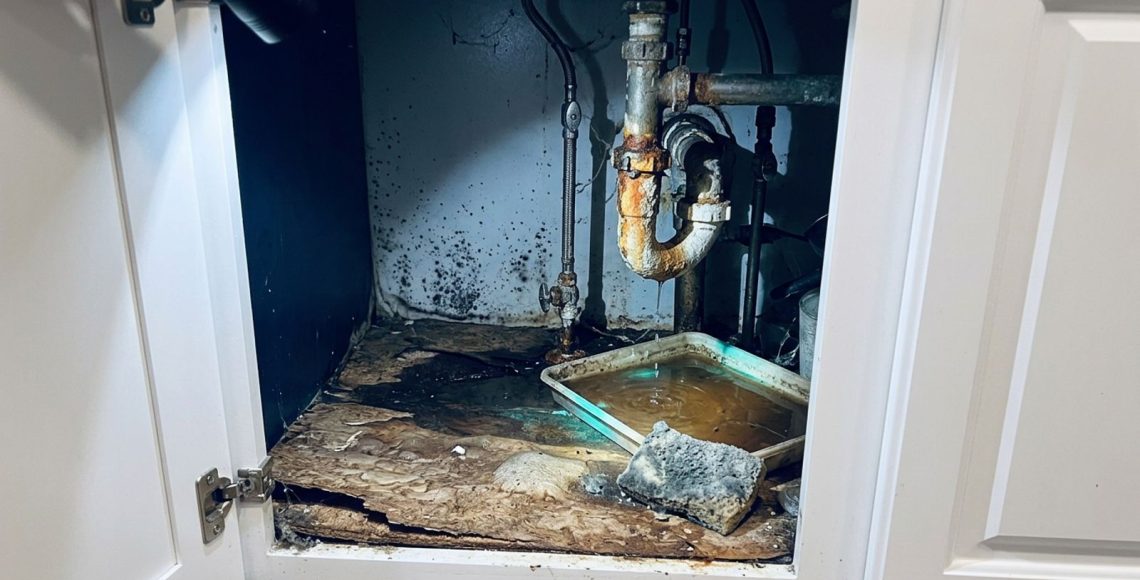
- Check for leaks under sinks, around appliances, and in bathrooms.
- Maintain Gutters and Downspouts:
- Make sure gutters and downspouts are not clogged with any debris.
- Seal the Windows and Doors:
- Make certain that doors, windows, or any other openings in your home are sealed properly. This will prevent water from coming in when there is a storm.
- Upgrade Plumbing:
- Replace old or faulty pipes and fixtures to prevent leaks. Think about installing good-quality water leak detection systems in your home.
- Controlling Humidity:
- Use dehumidifiers in areas such as your basements and bathrooms. This will keep the moisture levels in control. It will reduce the chances of mold growth.