Fire can cause more devastation than you can even imagine. Now when such a thing happens, you need to take immediate action. You have to extinguish the fire and salvage whatever is possible. However, one often-overlooked threat in the aftermath of fire damage is mold damage. Mold thrives in damp conditions, and when you use water to extinguish the fire, you will see mold growth after 24 to 48 hours.  Preventing mold after fire damage calls for fast and proactive measures by experts. Here are several steps that property owners and restoration professionals take to reduce mold risks and stay away from infestations:
 One of the most effective ways to prevent mold growth after fire damage is to apply anti-microbial treatments to affected areas. These treatments create an inhospitable environment for mold spores, and so any mold growth is avoided. Anti-microbial solutions can be applied to surfaces such as drywall, wood framing, and subfloors. They provide an extra layer of protection.
Establishing the Connection between Fire Damage and Mold Growth
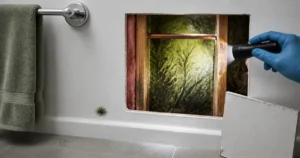
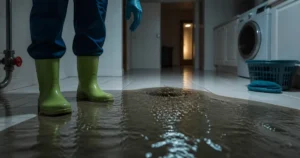
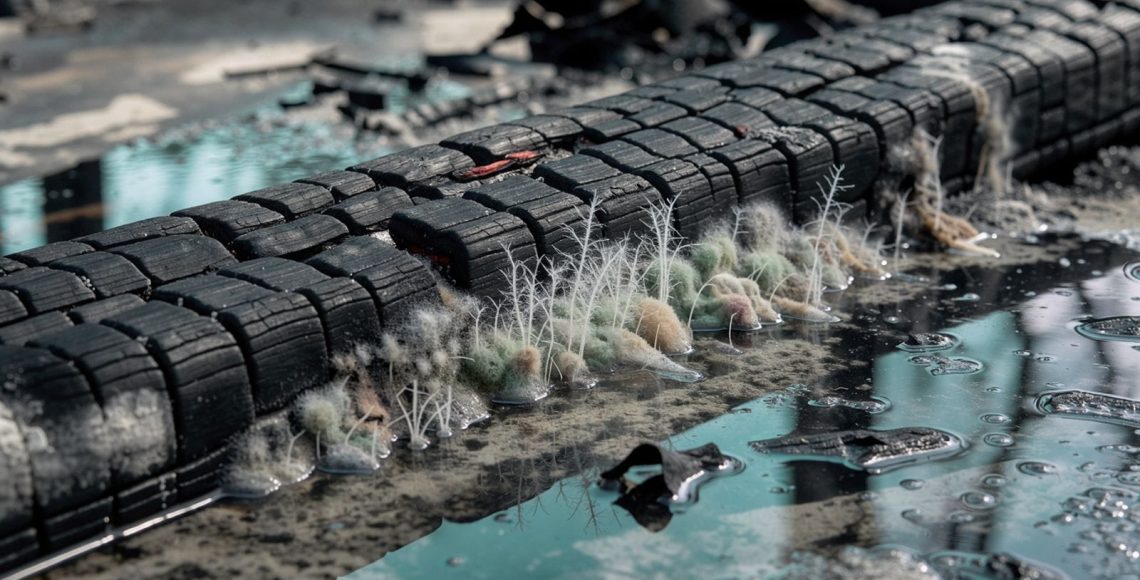
At first, you might think there is no connection between fire and mold. Both may seem like unrelated hazards, but then it is the method that you use to extinguish fires that creates ideal conditions for mold growth. The mold spores are present almost everywhere in the environment. However, they stay dormant till the time they come into contact with moisture and organic material. This is their fuel to grow.Once a fire incident happens, firefighters use gallons of water or fire suppressants to put out the blaze. This excess moisture is left on the walls, floors, ceilings, and insulation, it creates an ideal breeding ground for the mold. What’s more, the structural damage that is caused by the fire might expose the previously sealed areas to the likelihood of moisture intrusion and thus mold growth.Mentioned below are some dangers of mold growth and why you must consider mold removal after fire damage:
Mold poses a huge health and structural peril. After a fire, the presence of mold can make the problem multifold; therefore it is important that you address both issues simultaneously and without any delay.- Health Risks- Because of the mold spores, a lot of health issues can be triggered, particularly in people who are battling respiratory conditions, allergies, or who have weakened immune systems. Some symptoms of mold exposure are stated below:
- Coughing and wheezing
- Irritation in eye
- Nasal congestion and throat irritation
- Skin rashes
- Asthma flare-ups and other respiratory issues
- Structural Damage
Preventing Mold After Fire Damage
 Preventing mold after fire damage calls for fast and proactive measures by experts. Here are several steps that property owners and restoration professionals take to reduce mold risks and stay away from infestations:
- Immediate Extraction of Water and Drying the area
- Proper Ventilation
- Moisture Monitoring
- Removal of Wet and Damaged Materials
- Professional Mold Remediation
- Regular Inspections of the Area
- Anti-Microbial Treatments
 One of the most effective ways to prevent mold growth after fire damage is to apply anti-microbial treatments to affected areas. These treatments create an inhospitable environment for mold spores, and so any mold growth is avoided. Anti-microbial solutions can be applied to surfaces such as drywall, wood framing, and subfloors. They provide an extra layer of protection.
Special Considerations for Post-Fire Mold Prevention
While the basic principles of mold prevention stay the same, the aftermath of a poses unique challenges that call for extra consideration:- Soot and Smoke Residue: Soot and smoke residue can complicate the cleanup process, as they often leave behind acidic substances that may corrode building materials and worsen moisture issues. Professionals may use specialized cleaning agents to remove these residues before addressing potential mold issues.
- Temperature Variations: Post-fire environments can experience rapid temperature changes. This is because of structural damage or there can be compromised insulation. When there is a sudden drop in temperature, there will be condensation, and this will add moisture to the environment and promote mold growth.