Fire damage is devastating, causing both mental and financial trauma. An insurance claim after a fire is not easy if you do not know how to navigate the process. There are different kinds of fire insurance claims. It is vital to have complete knowledge of fire insurance claims so that you know what kind of claim to file. In case fire damage is partial, then you need to file for a partial loss claim.
There are different things to bear in mind when you file a claim. Some charges accrue due to repairs. Repairs should bring your property back to its original form. There can be delays in repairs, and this can lead to the accumulation of further charges. All this comes under the ambit of fire damage insurance.
What steps should you take immediately after a fire?
- Make sure everyone is safe
The top priority after a fire is safety. Avoid entering a place where a fire incident has happened till the time fire officials declare it safe. There can be structural damage, or any lingering smoke, or hidden hot spots that can crumble and cause harm. So, avoid making reentry till the time a place is deemed fit.
- Get in touch with Emergency Services and the insurance provider
Once you are certain that everyone is safe, contact your insurance provider. Most of the companies provide 24/7 claims services. When you notify them without delay, it can speed up the claims process.
- Secure the Property
Once the fire is out and it is safe to access the premises, you must take steps to avert any further damage. This includes activities such as boarding up windows, placing tarps on exposed areas, or shutting off utilities. The insurance company might reimburse you for these mitigation efforts.
Understanding the fire insurance policy and smoke damage insurance claims
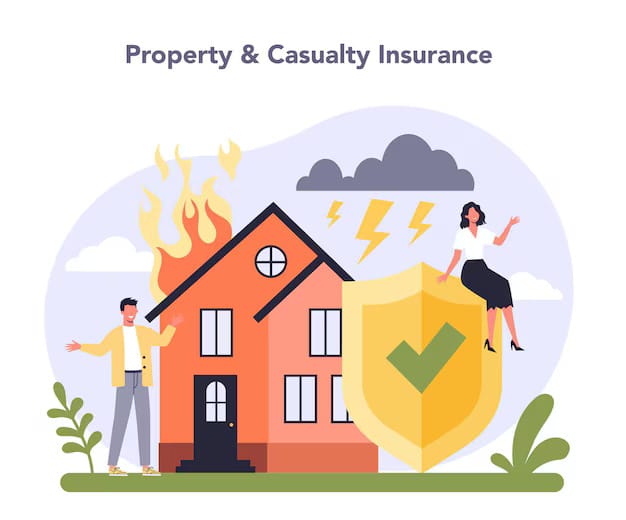
- Types of Coverage
Usual homeowners’ insurance policies include several types of coverage that are applicable post-fire:
- Dwelling Coverage: It encompasses the cost of repairs or rebuilding of the structure.
- Personal Property Coverage: It includes loss or damage to belongings that are present inside the home.
- Additional Living Expenses (ALE): Under this, you get costs that you have to bear when you stay elsewhere while repairs are being carried out at your place. (e.g., hotel stays, meals).
- Liability Protection: It includes coverage if the fire spreads to a neighbor's property and leads to injury.
- Replacement Cost vs. Actual Cash Value
You should know whether your fire damage insurance covers the cost to replace damaged items with new ones, or does it offer you actual cash value (this is replacement cost minus the depreciation). This distinction can have a big impact on the reimbursement you get.
Filing the Insurance Claim
1. Document the Damage
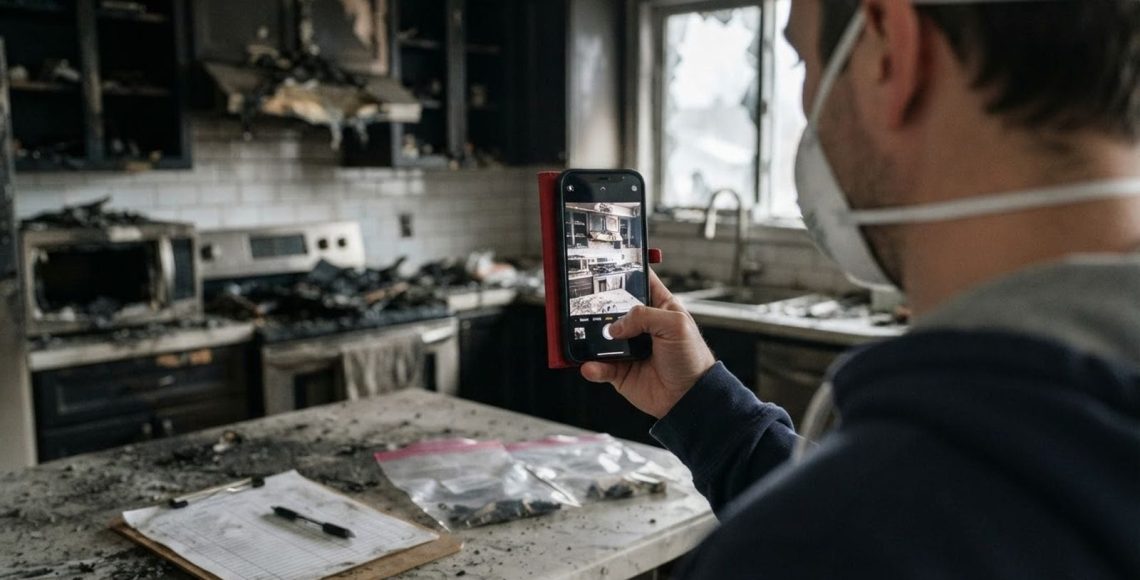
Before you get rid of any debris or damaged items, you must click photographs or video of the affected area. You need to prepare a detailed inventory of what things were damaged or destroyed in the fire.
2. Submit a Proof of Loss Form
Many insurance providers need a Proof of Loss form. This has all the information about the scope of your claim. It is a legal document and should be submitted in less than 60 days.
3. Work with the Adjuster
He will come to your property to assess the extent of damage. Walk through the site with them and provide your documentation. Be honest but cautious - avoid making speculative statements or agreeing to assessments you’re unsure of.
4. Track All Communications and Expenses
You should have complete details of conversations with the insurance company, contractors, and service providers. Retain receipts for hotel stays, meals, clothing, and other fire-related expenses.
Working with Contractors and Public Adjusters
1. Hiring Contractors
Before hiring a contractor to repair or rebuild, get multiple estimates. Choose licensed, insured professionals familiar with fire restoration. Your insurance provider may require pre-approval for contractor costs.
2. Public Adjusters
If you feel that the insurance company is offering too low, you can hire a public adjuster. Now these licensed professionals represent you and not the insurer.
Common Challenges and How to Handle Them
1. Delayed Payouts
Insurance companies often work efficiently, but delays can happen. Regular follow-ups, thorough documentation, and persistence can help speed up the process.
2. Disputes Over Coverage
If your insurer denies part of your claim or offers less than you expected, don’t panic. You can:
- Request a detailed explanation
- Submit additional documentation
- Appeal the decision
- Hire a public adjuster or attorney for support
3. Underinsurance
Several homeowners realize late that their coverage limits are not adequate. After settling the claim, work with your agent to re-examine your policy to ensure adequate future protection.
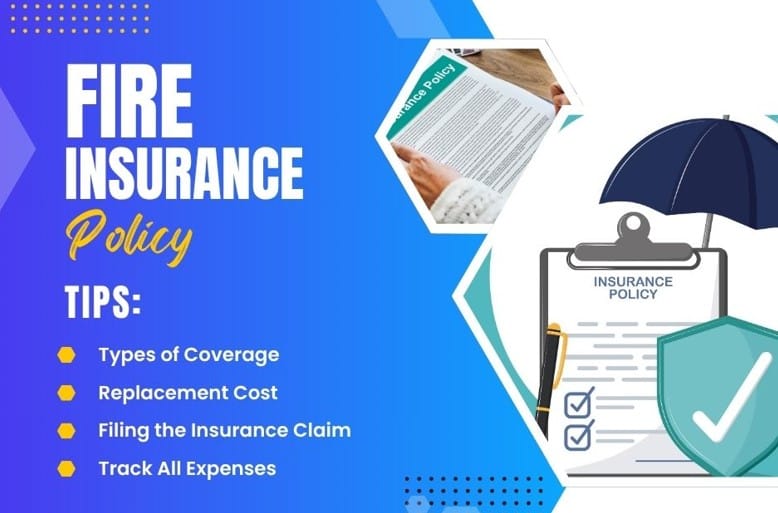
Tips for a Smoother Claims Process
- Stay Organized: Use folders or digital tools to store all paperwork, receipts, and correspondence.
- Be Patient but Proactive: Processing fire claims is complex. Stay on top of deadlines, but understand that it can take weeks or even months to resolve fully.
- Don’t Rush Repairs: Ensure all damage is properly assessed before beginning repairs. Starting too soon could limit your claim or require out-of-pocket costs.
- Understand Your Rights: Insurance is regulated at the state level. If you believe you’re being treated unfairly, contact your state’s department of insurance for guidance.
Emotional and Financial Recovery
1. Seek Emotional Support
You can go in for therapy, join a support group, or join any community organization. This can help you deal with trauma that comes up because of a fire incident.
2. Financial Planning
A fire can interrupt your finances. Work with a financial advisor if needed to manage out-of-pocket expenses, rebuild savings, or adjust your budget during the recovery period.
Conclusion
Filing an insurance claim after a fire is a stressful but extremely imperative part of recovery. Once you know what is covered under your policy, you document things thoroughly and communicate clearly with your insurer. This will streamline the entire process. This will maximize the compensation that you get for fire damage. Although the path to recovery is not an easy one, if you are well informed and prepared it will give you peace of mind and help build your life. For any kind of restoration services, get in touch with Vortex Restoration, and they will offer you the best and most affordable solutions.