When your home gets damaged by fire, it is the toughest thing to deal with. Not only is it overwhelming but also a very emotional time. Once the fire is out, safety should be the prime concern. The next step should be how to get the fire-damaged property cleaned. Fire damage cleaning is not a simple process, and it is important to hire the services of a reputable fire remediation company to do the necessary cleanup. Fire damage does not only happen from flames, it is also caused by smoke, soot, water (that is used to put out the fire), and then, in many cases,mold can also develop and make things worse.
Cleaning a fire-damaged property is not like regular house cleaning. It takes time, care, and the help of professionals such as Vortex Restoration. If it is done incorrectly, it can lead to more damage or even health risks.
This do’s and don’ts list will help you keep safe, protect your belongings, and start the recovery process in the right manner.
Do's when cleaning the fire-damaged property
Make sure that the property is safe to enter
Before you do anything, ascertain that the property is safe to enter.
- Check with the fire department to corroborate that the fire is fully out and it is safe to go back inside.
- Wear safety gear such as gloves, long sleeves, and strong shoes before you go inside the place.
- Watch for potential pitfalls such as weakened floors, exposed wires, broken glass, or any falling debris.
- Shut off electricity and gas if they have not already been turned off by emergency services.
Do not go inside the property if you smell gas or see structural damage, such as any leaning walls or a sagging ceiling. Call a professional for smoke damage cleaning and property restoration.
Get in touch with your insurance provider
After safety, the next step should be to contact your insurance provider.
- The claim process needs to be initiated as soon as possible; otherwise, distortions can creep in. A reputable fire remediation company can assist you with this process.
- Click the photos and videos of the areas that have been damaged and items before starting the cleanup process.
- Prepare a proper list that states which items have been damaged by fire.
Always reach out to the Professional Fire Damage Restoration Services

It is important to get help from experts as fire damage remediation is not a simple process.
- Fire restoration companies have the right kind of equipment as well as training to clean and remove smoke, soot, and water damage.
- They can remove odors, dry wet areas, and also prevent mold growth.
- Professionals also tell you what can be cleaned and what stuff can be saved. They will also guide you on what needs to be replaced.
Always go for a certified Fire remediation company that specializes in fire and smoke damage cleanup.
Ventilate the Home
Once you’re allowed back in safely:
- Let the fresh air circulate in the home
- You can use fans to get rid of smoke-filled air.
- If at all, it is safe, then run dehumidifiers to dry out moisture from fire hoses.
This will help reduce smoke odors and moisture buildup.
Clean Soot Properly
The black, powdery substance that is left behind after a fire incident is soot. It is not only toxic but also sticky.
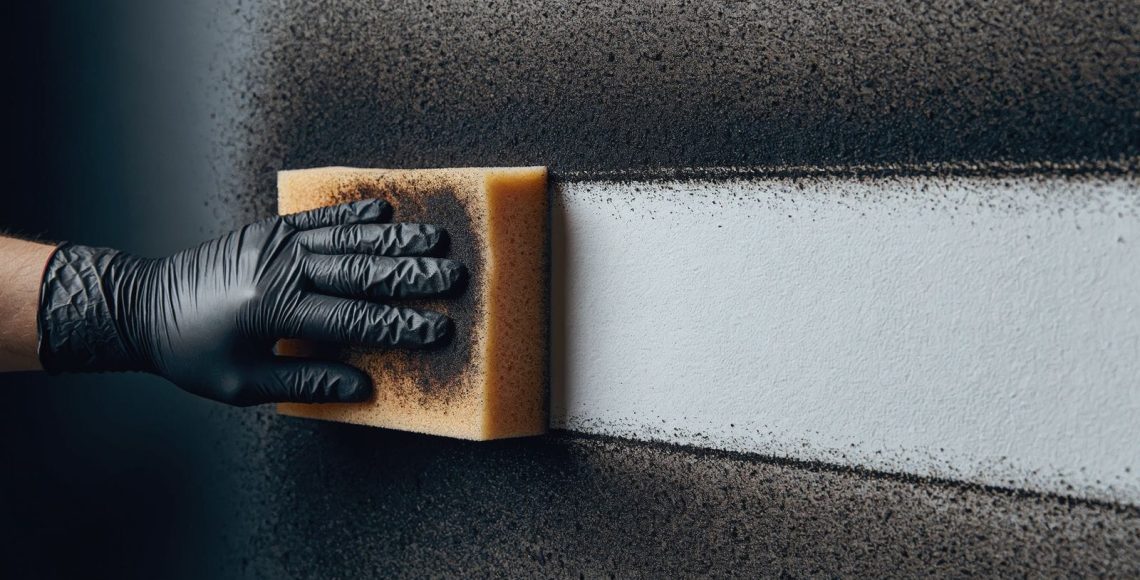
- Use a dry sponge (such as a chemical sponge) to wipe the soot from walls, ceilings, and any other surfaces that have been exposed.
- You should use odor counteractive agents first, as this will smear the soot and make it easier to clean.
Now, start the cleaning process from the top. This means first clean the ceiling and then end the process by cleaning the floor.
Throw away all the contaminated stuff.
Many items can be too damaged or dangerous to keep.
- Food that is exposed to heat, smoke, or water should be thrown away.
- Medicines and cosmetics exposed to high temperatures or smoke may not be safe to use.
- Children’s toys or stuffed animals may need to be discarded if covered in soot or chemicals.
Be Patient
Cleaning up after a fire can take a long time. Take it step by step. There is no need to lose patience. Reach out to your family, friends, and professionals for help and guidance. Focus on safety and health first.
Don’t use regular household vacuum cleaners

Using a regular vacuum cleaner will spread soot particles into the air. This will put you at risk of exposure to harmful materials. Always use a HEPA-filter vacuum or restoration professionals to clean the place.
Don’t use water on electrical items
Appliances, electronics, and cords might look okay, but if they were exposed to water or heat, they can be dangerous. So, do not plug in or use these items until inspected by a licensed technician. Also, don’t pour water or cleaners on electronics. Keep all cords away from wet areas.
Don’t paint or seal over smoke damage
Painting over soot or smoke without cleaning properly will trap odors and stains. Always clean and deodorize first. Use a special primer for smoke-damaged surfaces before repainting.
Don’t handle hazardous materials without help
Fires can release or expose asbestos, lead paint, or other toxic chemicals, especially in older homes. Don’t disturb suspicious materials. Call in licensed hazardous material experts if needed.
Don’t try to do it all yourself
Trying to clean fire damage without expert help, such as Vortex Restoration experts, can lead to health problems and incomplete cleanup. These professionals are trained to spot hidden damage, like smoke in HVAC systems or water behind the walls. Let these experts handle deep cleaning, drying, and repairs when possible.
Final Thoughts
A fire can turn your life upside down, but recovery is possible. Knowing what to do and what not to do can help you in a big way. This is the reason why this guide has been created. Follow the tips and you will, without a doubt, be in a better place.
Take it one step at a time. With the right actions and support of Vortex Restoration experts, your home can be cleaned, restored, and made safe again.