Nobody would ever want a fire to damage their homes. Fires can lead to a huge amount of damage to the properties. It causes big structural, cosmetic, and health-related perils. If such a thing happens the first resort is to get in touch with Fire damage restoration services. These damage restoration services hold a significant role in getting normality and pre-fire conditions back to homes and businesses. Mentioned below are some common issues after a fire and how the restoration professionals can help with such issues: Even after the fire is extinguished, the electrical systems might be compromised. Fire restoration services have licensed electricians who assess the condition of the electrical wiring and systems and make sure that safety is ensured. They get rid of any burnt or damaged electrical to restore functionality and remove any hazards. Electrical appliances that survived the fire but may have smoke or heat damage are evaluated and either repaired or replaced.
 Many personal belongings, such as clothing, furniture, and electronics, may be damaged by smoke, soot, or water after a fire. Professionals use specialized cleaning techniques to restore personal belongings. This includes ultrasonic cleaning, dry cleaning, and hand-cleaning. Fire restoration companies’ work with electronics specialists to clean and repair computers, televisions, and other devices that are affected by smoke or heat. They even try to salvage important papers, photographs, and documents by using freeze-drying methods. These methods remove moisture and prevent further damage.
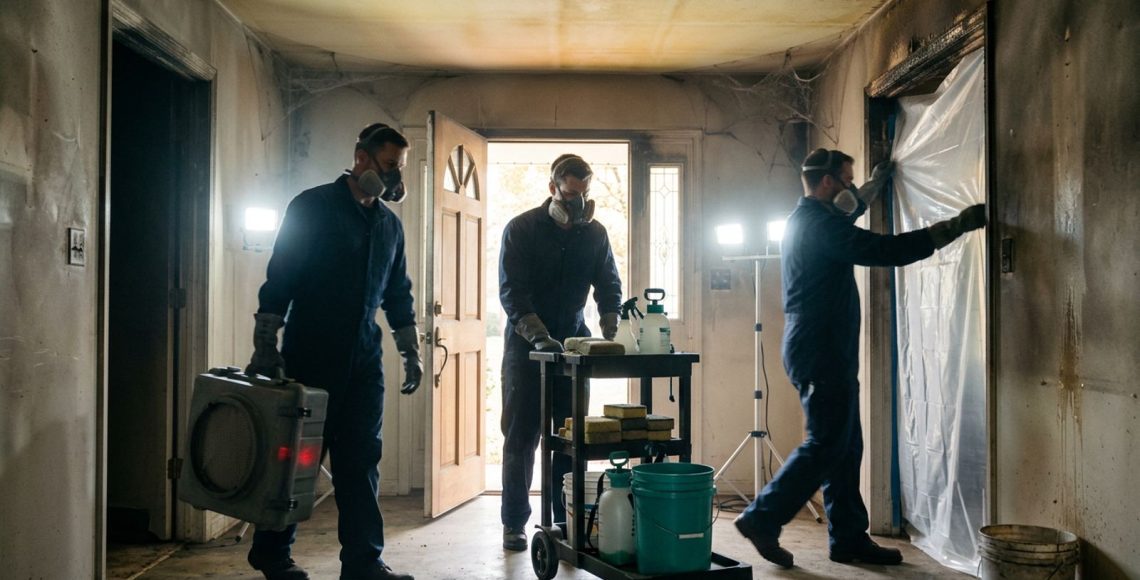
- Damage by smoke and soot- After a fire, smoke and soot can spread throughout the property, even in areas that were not directly affected by flames. These smoke particles cling to walls, ceilings, furniture, and fabrics. This causes stains and discoloration. You might even notice strong odors in the area. Now, when anyone hires fire and smoke restoration services, these experts make use of very special cleaning products and specialized tools to do away with soot and smoke from all affected surfaces, this includes the walls, ceilings, and all your personal items. Air scrubbers, ozone treatments, and thermal fogging are used to neutralize lingering smoke odors. Professionals also clean carpets, upholstery, and curtains to get rid of the soot particles as well as the odors that might have settled into the fibers.
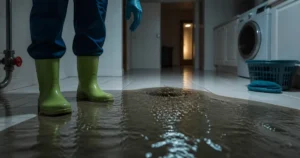
- Water Damage Caused due to the Firefighting Efforts- Firefighters have to use huge amounts of water when they have to extinguish flames. This can lead to huge water damage. This causes a secondary problem of flooding. Walls, floors, and furniture get spoiled due to this flooding. When you hire services of fire restoration experts, they use high-powered pumps and vacuums to remove the standing water quickly. Industrial-grade dehumidifiers and air movers are used to dry the structure and prevent mold growth. With moisture meters the humidity levels are monitored. Professionals also treat the affected areas with antimicrobial agents to prevent mold and mildew, which grow rapidly in damp conditions.
- Electrical and Wiring Issues- The heat from a fire can melt wiring. It causes damage to the electrical appliances, and creates dangerous electrical hazards.
 Even after the fire is extinguished, the electrical systems might be compromised. Fire restoration services have licensed electricians who assess the condition of the electrical wiring and systems and make sure that safety is ensured. They get rid of any burnt or damaged electrical to restore functionality and remove any hazards. Electrical appliances that survived the fire but may have smoke or heat damage are evaluated and either repaired or replaced.
- Structural Damage- Fire can weaken the structural components of your home such as walls, ceilings, floors, and support beams. It is a huge safety risk so it is important to assess the damage and get repairs done. The fire restoration experts conduct a detailed inspection to assess the extent of structural damage. They determine which parts of the building are stable and which are in need of repairs or replacement. They repair the damaged walls, roofs, and floors and ensure the building’s structure is sound. If needed these professionals provide temporary structural support or board up damaged windows and doors to prevent further damage and ensure safety.
- Corrosion and Staining- Another problem that comes up due to fire is corrosion. After a fire, surfaces such as metal, glass, and wood can suffer from corrosion and staining. This is due to exposure to smoke, soot, and moisture. Metal fixtures may rust, while wood may stain or warp. Now when you hire services of restoration experts, they clean and treat metal surfaces to prevent further corrosion, often using special cleaning products that neutralize soot acids. Glass and wood surfaces are cleaned, polished, and refinished to remove stains and restore their appearance. If there are items that cannot be restored (due to severe corrosion or staining), professionals recommend replacement of the same. You would not want to keep unsightly things at home.
- Health Hazards and Air Quality Issues- Fires release harmful chemicals and particulates into the air. It makes the air unsafe to breathe. Soot, ash, and smoke residues can linger, posing health risks, particularly for those who are suffering with respiratory issues. Fire restoration professionals make use of high-efficiency particulate air (HEPA) filters, air scrubbers, and industrial-grade purifiers to get rid of harmful particulates from the air. HVAC systems are cleaned and decontaminated to prevent the circulation of smoke and soot particles. Then the air can be checked, ideally by an independent tester, before your home is declared safe for occupancy.
- Personal Item Restoration-
 Many personal belongings, such as clothing, furniture, and electronics, may be damaged by smoke, soot, or water after a fire. Professionals use specialized cleaning techniques to restore personal belongings. This includes ultrasonic cleaning, dry cleaning, and hand-cleaning. Fire restoration companies’ work with electronics specialists to clean and repair computers, televisions, and other devices that are affected by smoke or heat. They even try to salvage important papers, photographs, and documents by using freeze-drying methods. These methods remove moisture and prevent further damage.
- Emotional and Psychological Impact- Beyond the physical damage, fires can have a significant emotional and psychological impact on those affected. Loss of property, disruption of daily life, and the trauma of the event create a lot of stress and anxiety. Restoration professionals provide clear communication, explaining the process and giving homeowners peace of mind that their home can be restored. Many restoration companies work directly with insurance providers to help reduce the burden of navigating claims, which eases the stress on homeowners.