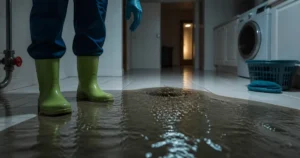
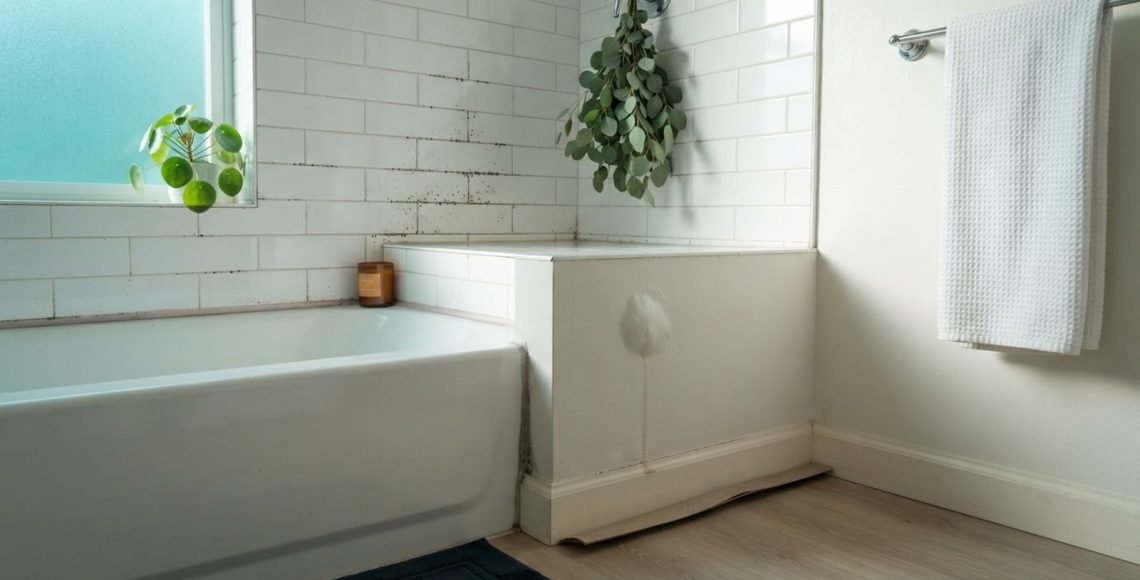
What is Mold Growth?
Mold is a type of fungus that thrives in humid environments. You can see mold from water damage on a variety of surfaces, like the walls of your home, ceilings, floors, carpets, and even on your furniture.Mold causes damage to your home’s structure. Mold exposure can also lead to respiratory issues, allergic reactions, and other health problems. All this makes it pertinent to hire the services of a mold Removal Company and get mold removal done.Top Signs of Mold Growth after Water Damage
It is important to recognize the early signs of mold growth. This will stop it from spreading elsewhere and causing more extensive damage. Mentioned below are the top signs to watch for:- Musty Odor
- Visible Mold
- Discoloration and water stains
This is a big sign that there is mold. These stains may appear yellowish, brown, or even black. Now, this depends on the severity and duration of the water exposure. If at all you notice discoloration or bubbling paint, it is very important to get in touch with Mold Removal Company and investigate further.- Peeling of the Paint or your Wallpaper
- Health Symptoms
- Condensation and High Humidity
How to Handle Mold Removal
Now the question arises of how to handle if there is mold. Mentioned below are steps you should take to handle mold removal effectively:- Assessing How Much Damage is Caused by the Mold
- Protecting Yourself
- Contain the Mold
- Remove and Dispose of Mold-Infested Materials
- Clean and Disinfect the Area
Once you’ve removed the mold-infested materials, clean and disinfect the remaining surfaces. You can use detergents or good cleaning agents for this.- Dry the Area Completely
- Take help from a professional
- Monitor the Area for Recurrence
Winding up
Mold growth after water damage is a very serious issue that calls for prompt attention to protect your home and health. Once you recognize the signs of mold early you can swift action to remove it. This can prevent extensive damage and minimize health risks. For efficient mold removal after water damage, get in touch with experts at Vortex Restoration. They offer fast and affordable solutions without any delay.Frequently Asked Questions
How soon does mold start growing after water damage?
Mold can begin growing within 24 to 48 hours on wet materials, according to the EPA. You often will not see it that fast, but spores already present in the air start colonizing damp drywall, carpet pad and wood right away. That is why drying quickly matters so much. If materials stayed wet longer than two days, assume mold could be developing out of sight.
Is a musty smell after a leak a sign that mold is growing?
Mold usually smells musty and earthy, a lot like damp cardboard, wet socks or an old basement. The odor tends to be strongest in closed rooms, closets, under sinks and near where water got in. If you notice that smell after a leak, even without visible growth, it is a strong sign that something is growing behind a wall, under flooring or inside a cabinet.
Can mold grow inside walls without any visible signs?
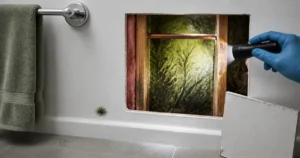
Yes, and it happens a lot after leaks. Mold can grow on the back side of drywall, inside insulation and on framing while the painted surface looks normal. Clues include a musty smell, peeling or bubbling paint, soft spots, warped baseboards and stains that return after you paint. A moisture meter or thermal camera can confirm wet areas without opening the wall.
Is white mold less dangerous than black mold?
Not necessarily. Color does not tell you how harmful a mold is, and many species can look black, green, white or gray depending on the surface. The CDC advises treating all indoor mold growth the same way: remove it and fix the moisture that feeds it. Rather than guessing at the species, focus on how much there is and where the water is coming from.
What health symptoms can mold growth after water damage cause?
Common symptoms include a stuffy or runny nose, sneezing, coughing, itchy or watery eyes, sore throat and skin irritation. People with asthma may notice more flare ups or chest tightness. A telling sign is feeling worse at home and better when you leave for a few days. Anyone with ongoing symptoms should see a doctor and mention the possible mold.
Do I need a mold test before mold removal?
If you can see mold, testing is usually not needed to start cleanup. The EPA notes that visible growth should simply be removed and the moisture source fixed. Testing is more useful when you smell mold but cannot find it, when someone has health concerns, or when you want clearance testing after remediation to confirm the job worked and spore levels are back to normal.
Should I spray bleach on mold that shows up after a leak?
Bleach is not a good fix for drywall. It can lighten the stain on the surface, but drywall is porous and mold roots grow into the paper and gypsum where bleach does not reach. The water in bleach can even feed regrowth. Moldy drywall should be cut out and replaced, while hard, nonporous surfaces can be scrubbed with detergent and water.
Does homeowners insurance cover mold after water damage?
Sometimes. If the mold grew because of a covered sudden event, like a burst pipe that was reported promptly, removal is often included in the claim, though many policies cap mold coverage. Mold from long term leaks, humidity or neglected maintenance is typically excluded. Report water damage right away and keep drying records, since they show you acted quickly.
How do I keep mold from coming back after a leak is fixed?
Dry everything thoroughly, not just the surface. Wet materials should be dried within 24 to 48 hours, and anything that stayed wet longer or already shows growth should be removed. After that, keep indoor humidity down with exhaust fans and a dehumidifier, fix drainage around the house, and check under sinks and around appliances a few times a year for new drips.
Why do so many coastal homes in Ventura County get mold?
The marine layer keeps coastal air damp for much of the year, especially in late spring and early summer. Homes in Oxnard, Ventura, Carpinteria and similar areas often have raised foundations with crawl spaces that trap that moisture under the floor. Add a small leak and mold has everything it needs. Vortex Restoration handles mold removal and remediation throughout the area.