
When it comes to our homes, it is important for us to prioritize our spending when hiring out professional mold removal and remediation services. There are many things that we can do ourselves when it comes to home maintenance, but mold remediation is not one that is recommended.
Removing mold seems like a simple task in theory, but sometimes cleaning and removing the mold can actually cause it to travel and spread through mold spores. Let’s talk about some ways you will know if a mold remediation is needed in your home.
Seeing And Smelling Mold Or Signs Of Mold
This is one of the most obvious signs that your home has a mold problem. If you are seeing mold then it is time to get in touch with a mold remediation company. There also may be some signs of mold such as dark, circular splotches or discoloration- usually in damp environments like bathrooms. Oftentimes mold can grow in places that would be challenging for us to see like behind wallpaper, under floorboards, etc. If your eyes can’t see it, your nose may be able to help! Mold can often produce musty or mildew smells. If you have an unpleasant odor that seems to linger no matter what you do, this could be a warning sign that mold is hiding somewhere in your home.
Experiencing Mold Exposure Symptoms
Everyone feels under the weather once and a while, but if you find you are feeling sick more often there could be something affecting your wellness and your immune system. Mold has a tendency to cause damage wherever it goes, not just to our home and belongings but to our bodies as well. Sometimes the symptoms can seem like cold, flu, or allergy symptoms such as runny nose, itchy and watery eyes, sore throat, and sneezing. Other times it can cause other symptoms such as irritability, fatigue, headaches, brain fog and mental confusion, and rashes. It can make your allergy or asthma symptoms worse than they usually are. We know what is normal for our bodies, so if you feel like something just isn’t right, trust yourself and look into whether mold could be the cause.
Water Leaks
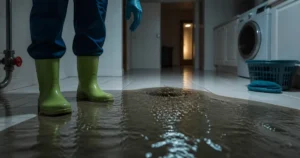
The main culprit for mold is water. Mold thrives in a damp environment and is especially caused by water being where it shouldn’t be. If we experience a natural disaster or weather event that causes water damage this would be a good reason to check your home for signs of mold, even if the damage was repaired. Sometimes the reasons could be less obvious, stemming from a leak in your HVAC system, plumbing, appliance leaks, water in the wall, or roofing or gutter leaks. If you find a leak or standing water in your home, watch closely for the signs above.
What to Do Next
If you notice any of these signs, start with the moisture. Fix the leak or drainage problem if you can, and avoid scrubbing or disturbing large patches of mold yourself, since that can spread spores. If you want to know what kind of mold you have or how far it has spread, testing is done by an independent, licensed mold assessor or industrial hygienist, which keeps the results unbiased. Our IICRC certified team takes care of the removal and remediation.
Addressing the problem as soon as you find it can save you a lot of time and money. Contact Vortex Restoration for a free on-site estimate, and our IICRC certified team will plan the mold removal and remediation to take care of the problem completely. We know that these things pop up when you least expect them to, so call us 24/7 on our emergency service line - 805-443-8055.
Frequently Asked Questions
Who does mold testing?
Mold testing is done by an independent, licensed mold assessor or industrial hygienist. They look for visible mold, check for moisture and may take air or surface samples for a lab. Vortex Restoration does not perform mold testing or inspections. If testing is needed, we can work alongside an independent mold assessor, and we handle the removal and remediation.
Can I have mold if I cannot see any?
You might. Mold often grows behind drywall, under flooring or inside HVAC systems where you will never see it. A lingering musty smell, a past leak that was not dried properly, or allergy symptoms that ease when you leave the house are all good reasons to have an independent mold assessor take a look, even if every surface looks clean.
Are home mold test kits accurate?
Not very useful on their own. Most kits are petri dishes that collect whatever spores land on them, and since mold spores are in nearly all air, they almost always grow something. They do not show where mold is, how much there is, or where the moisture is coming from. Testing by an independent mold assessor, along with moisture readings, gives you answers you can act on.
Should I have a house tested for mold before buying it?
It is a smart idea, especially for older homes, homes that have been vacant, or any house with signs of past leaks. A standard home inspection may note water stains but usually does not test for mold. Raised-foundation homes, which are common across Ventura County, deserve a close look at the crawl space. Finding a problem before closing gives you room to negotiate.
What does mold smell like in a house?
Most people describe it as musty, earthy or like damp socks or wet cardboard. The smell is usually strongest in closed rooms, closets, basements, crawl spaces and under sinks, and it often gets worse when the weather is humid or the heat comes on. If you keep noticing it in the same spot, something nearby is likely staying damp.
Can mold make you sick even if you never see it?
Yes. Hidden mold still releases spores and odors into the air you breathe. People commonly report stuffy noses, itchy eyes, coughing, headaches and asthma flare-ups that improve when they spend time away from home. Children, older adults and people with weak immune systems tend to react more. If symptoms line up with time spent indoors, talk to your doctor and have the home checked.
Where does mold usually hide in a house?
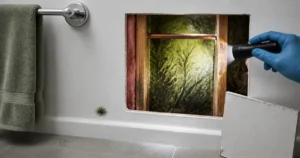
The usual spots are behind and under bathroom and kitchen cabinets, around toilets and tubs, in attics with roof leaks, under carpet and wood floors, inside walls with plumbing, around window frames, behind washing machines, and in crawl spaces. Anywhere with a past leak, poor airflow or condensation is worth checking. HVAC drain pans and ducts are another common hiding place.
Should I check for mold after a roof leak?
Yes, even if the ceiling stain dried. Water from a roof leak usually soaks insulation and the attic side of the drywall first, and that area stays damp much longer than the surface you can see. Look in the attic for darkened wood or wet insulation. After winter storms in Ventura County and Santa Barbara County, we see this often in homes with older roofs.
Is mold more common in coastal California homes?
Coastal homes do tend to see more mold. From Oxnard and Ventura up through Carpinteria and Santa Barbara, the marine layer keeps humidity up for long stretches, and many homes have small bathrooms, older windows and limited airflow. Running exhaust fans, keeping closets open, and fixing leaks fast all help. If you suspect a problem, contact our team for a free estimate.
What should I do if I find mold?
Start by fixing whatever is causing the moisture, whether that is a leak, poor drainage or condensation. Then have the mold removed by a team that contains the area and removes damaged materials safely. Avoid scrubbing or disturbing large patches yourself. Our mold removal and remediation crews follow IICRC standards and work with your insurance company when the cause is covered.