
1. Use a Water Alarm
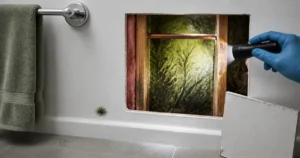
Water alarms that are designed for the home can be very helpful in preventing potential water damage. Homeowners should use standard smoke detectors to protect against fires; similarly, homeowners should also use an electronic device to detect moisture and provide warnings of potential damages. A water damage restoration company can help to install the alarm.2. Use A Slop Sink or Floor Drain
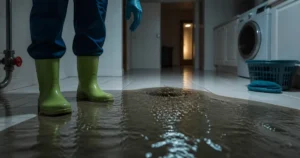
If a household does not already have one, consider adding a "slop sink" in the home. A slop sink can also be known as an overflow basin or floor drain; it is installed at the lowest point of the basement to take in any standing water. This sink is connected to the water alarm mentioned before to alert the homeowner of any leakage that may happen.3. Check The Gutters
If there are gutter guards on the roof, make sure they are installed correctly and working properly. If no gutter guards are covering the gutters, consider installing gutters to prevent any debris from clogging and causing water to leak into the house.4. Do Not Ignore Issues with Wet Basements
If the basement is wet, do not just let it be. A problem with the plumbing or foundation of the home could lead to more severe damage in the future. Contact a home inspector to check the basement if it is wet. Homeowners can contact water damage services to combat the long-term effects of water damage.5. Put Waterproofing On the Foundation
If there are cracks in the home's foundation, this could allow standing water into the basement. Waterproofing on top of the exterior wall can prevent any cracking or leakage issues. Water damage professionals will help accomplish this task.6. Keep the Lawn and Landscape Trimmed and Well Kept
Around the house, there should be a few inches of space around the exterior. This area should be free from tall grasses or any debris that can collect water so as not to become weighed down with too much water. Otherwise, the damage will result in the roof or foundation.7. Use a Dehumidifier
Keeping moisture in the air at bay is essential when it comes to preventing water damage. Using a dehumidifier will help do this by reducing humidity in the entire house. Using one of these machines can also help prevent mold from condensing on the walls or other surfaces.8. Have a Professional Check the Sump Pump
If there's a sump pump in the home, a professional can come and check it regularly to ensure that everything is working properly. A good time for this would be right after a big storm or a flood has happened to carry out water damage restoration.Conclusion
While installing a sump pump can be helpful, it is not the only way to prevent water damage from flooding. By using these tips and tricks, homeowners can ensure that the home is protected from water damage.Frequently Asked Questions
Where is my main water shutoff valve?
Most homes have the main shutoff where the water line enters the house, often in the garage, a utility closet, near the water heater or on an outside wall facing the street. Many California homes have it outside near a front hose bib. Find it before you need it, make sure it turns easily, and show everyone in the house how to close it.
How often should I clean my gutters to prevent water damage?
Clean them at least twice a year, typically in late fall before the rainy season and again in spring. Homes under oak, sycamore or pine trees may need it more often. Check that downspouts are clear and direct water several feet away from the foundation. Clogged gutters overflow, soak fascia boards and let water collect right where it can seep into walls.
How often should washing machine hoses be replaced?
Most manufacturers suggest replacing standard rubber washer hoses about every five years, or right away if you see bulges, cracks or rust at the fittings. Braided stainless steel hoses last longer and resist bursting. Leave a few inches of space behind the machine so the hoses do not kink. A burst washer hose is one of the most common sources of a flooded laundry room.
How do I prepare my home for winter storms?
Clean gutters and downspouts, check the roof for missing shingles or cracked flashing, and reseal windows and doors. Clear storm drains and make sure yard drainage moves water away from the house. In Ventura County and Santa Barbara County, the first big rain after a long dry season often reveals leaks, and burn areas can send mud and debris toward homes, so plan ahead.
What should I check before leaving my house on vacation?
Turn off the main water supply or at least the supply to the washer and toilets, and set the water heater to vacation mode. Check under sinks for drips, make sure the sump pump works and clear gutters if rain is in the forecast. Ask a neighbor to check the house now and then. A leak sensor with phone alerts gives you peace of mind while you are gone.
How can I tell if I have a hidden plumbing leak?
Turn off every faucet and appliance, then look at your water meter. If the dial or leak indicator still moves, water is escaping somewhere. Other signs include a higher water bill than usual, warm spots on the floor, the sound of running water, damp cabinet bottoms and stains on ceilings or walls. A plumber or restoration company can pinpoint it with moisture meters and thermal imaging.
What humidity level should my house be to avoid moisture problems?
Keep it in the moderate range the EPA recommends, which means the air should never feel muggy and windows should not fog up from the inside. A cheap hygrometer from a hardware store lets you check it room by room. Run bathroom fans during showers and for a while afterward, use the range hood while cooking, and run a dehumidifier in damp spaces like crawl spaces and closets.
Can landscaping cause water damage to a house?
Yes. Soil, mulch and planting beds that slope toward the house funnel water against the foundation. Sprinklers that spray the siding or soak the ground near the walls add moisture year round. Tree roots can crack sewer lines and foundations. Keep soil sloping away, leave a gap between mulch and siding, aim sprinklers away from the house and check irrigation for leaks.
Do older homes need extra protection from water damage?
Often they do. Older homes may still have galvanized steel or early plastic plumbing that corrodes or cracks, original roofing and outdated drainage. Many older houses in Ventura County and Santa Barbara County sit on raised foundations with crawl spaces that trap moisture. A plumbing inspection, a roof check and a look under the house every year or two help catch problems early.
Who should I call if water prevention fails and my home floods?
Call a water damage restoration company first, since fast extraction and drying limit how much needs to be torn out. Call a plumber if a pipe is the source, then notify your insurance company. Vortex Restoration is available 24/7 with IICRC certified technicians and works directly with insurance companies. Contact Vortex Restoration for a free estimate on any water problem.