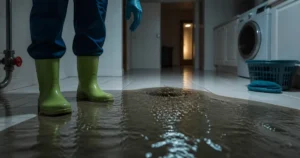
Water restoration is an issue that is extremely time sensitive. Irreversible damage can be done if the process of water damage clean up and water damage restoration is not addressed immediately. Let's take a look at how to restore water damage and the immediate steps needed in the process.
Step 1
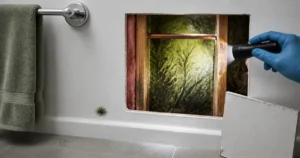
Get an assessment of the damage. One has to see how much damage has been done so work can begin. Therefore, get a professional to come for an inspection to get the procedure started. A good professional should have up to date and innovative equipment. Advanced hygrometers and moisture detectors are some of the equipment that professionals use to get an idea and assess just how much water damage has been done along with the amount of work and what repairs will be needed. Professionals will be able to use their expertise to pinpoint the damage location. Also, during the inspection an important step is to get the damage classified into one of four categories. The classes range from a class 1 which is minor to class 4 which is extensive. A class 4 is used when the water has been absorbed and deeply soaked into the sheetrock and flooring that removing the material is the only answer.
Step 2
Get to work with water removal. It is essential to start immediately getting rid of standing water as it can continue to do damage and cause even more deterioration. Extraction of the water is vital especially in places like basements as mold and mildew can grow quickly.
Step 3
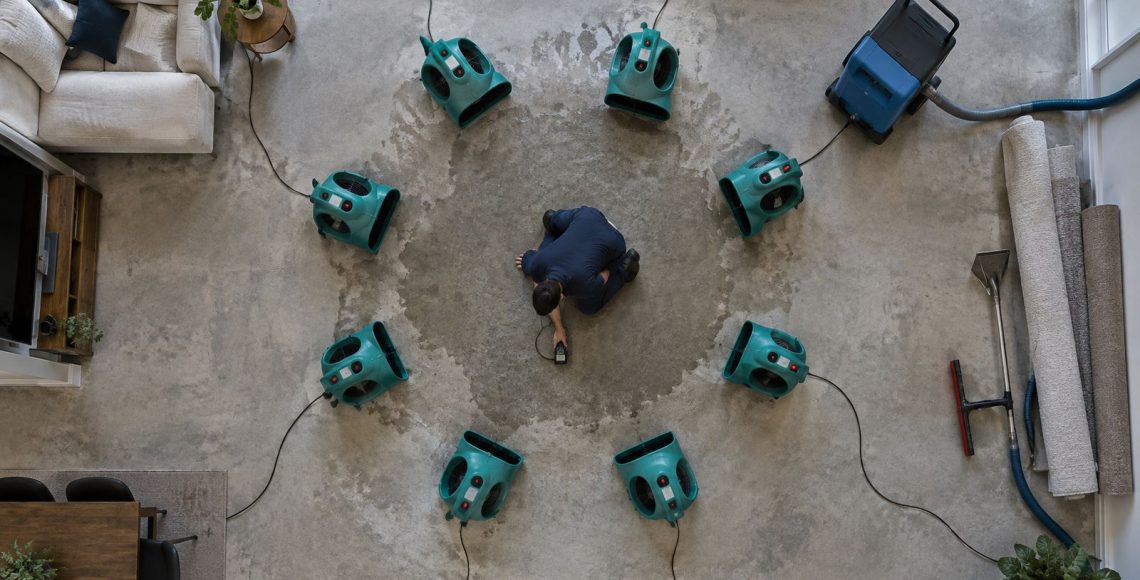
Starts after the water has been extracted, then dehumidification and drying can start. Again, the best equipment is needed as professionals use industrial-quality air movers and dehumidifiers to dry material. In this step moisture levels are continuously monitored by water mediation specialists ensuring all is dry, so, when ready step 4 can begin.
Step 4
Begins after everything is dry as cleared by the water mediation specialists and that step is to start the cleaning and sanitizing process. Professional cleaners come in to clean and preserve as much property as possible. One should have experts as they will ensure safety and they will ensure everything is sanitized. Also, these professional experts should have the most up to date, advanced, and innovative equipment to clean.
Step 5
Complete the process of restoring. This step is to finalize things by returning them back to the pre-damaged state. Items that were damaged beyond repair will be replaced and the simply minor damage will be repaired.
Water damage can occur anytime or anywhere and can happen due to a burst pipe, flooding, water heater; and even, acts of God like a hurricane, tornado or typhoon, etc. However, it does not matter what the cause is as long as steps are taken quickly to begin cleaning and getting things restored. It can not be emphasized enough that time is of the essence and is not on one's side when it comes to water damage; in fact, time is crucial and critical.
Frequently Asked Questions
What are the main steps in water damage restoration?
A typical job follows five stages: inspection to find the source and map the damage, water extraction, drying and dehumidification, cleaning and sanitizing, and finally repairs like new drywall, flooring or paint. The order matters. Skipping straight to repairs before the structure is dry is one of the most common reasons mold and odors show up later.
How many days does the drying step of water damage restoration usually take?
Drying usually takes several days once professional equipment is in place, but it depends on how much water there was, which materials got wet and how long they sat. Hardwood, plaster and concrete take longer than drywall. Technicians take moisture readings each day and keep the equipment running until materials reach normal dry levels, not just until they feel dry.
Does drywall have to be replaced after it gets wet?
Not always. Drywall soaked by clean water for a short time can often be dried in place. Drywall that sagged, crumbled, grew mold or was soaked by gray or black water usually needs to be cut out. Restoration crews often remove just the bottom section of the wall, which lets them dry the cavity and replace only what's damaged.
Can hardwood floors be saved after water damage?
Sometimes. If the water was clean and drying starts quickly, specialized floor drying systems can pull moisture out of the wood and subfloor, and minor cupping may settle back. Boards that buckled, separated from the subfloor or got soaked with contaminated water usually need to be replaced. It's worth getting a professional assessment before tearing anything out.
What is the difference between water mitigation and water damage restoration?
Mitigation is the emergency part: stopping the water, extracting it, removing materials that can't be saved and drying the structure to prevent more damage. Restoration is the rebuild that follows, such as replacing drywall, flooring, cabinets and paint. Most jobs need both, and having one company handle them together keeps the timeline and the insurance claim simpler.
What should I photograph for a water damage insurance claim?
Take wide shots of every affected room and close-ups of damaged walls, floors, ceilings and belongings before anything is moved. Photograph the source of the water, such as the burst pipe or failed appliance, and any standing water. Keep receipts for emergency costs. A restoration company that tracks moisture readings with photos gives your adjuster even more to work with.
What does a dehumidifier do during water damage restoration?
Air movers pull moisture out of wet materials and into the air, and commercial dehumidifiers pull it out of the air so it can be drained away. Without dehumidifiers, that moisture just settles back into walls and floors, or condenses somewhere else. The two work as a team, and the balance between them is set for each room's size and conditions.
How do I know when my house is completely dry after water damage?
You can't tell by touch. Surfaces often feel dry while the inside of a wall or subfloor is still wet. Professionals compare moisture meter readings in affected areas against dry, unaffected areas of the same material, and drying isn't done until they match. Ask your restoration company for the final readings before walls are closed up or floors are reinstalled.
What happens if water damage isn't fixed right away?
Water keeps spreading through drywall, wood and insulation, so damage grows the longer it sits. Wood swells and warps, drywall weakens, metal can rust and odors set in. The EPA notes mold can start growing within 24 to 48 hours. Waiting can also make insurance harder, since many policies expect you to act promptly to prevent more damage.
How do winter storms cause water damage in Ventura County homes?
Heavy winter rains can push water through worn roofs, failed window flashing, clogged gutters and poor drainage around raised foundations, and water can collect in crawl spaces underneath. Since many homes here go months without serious rain, small weaknesses often go unnoticed until the first big storm. Vortex provides water damage restoration across Ventura and Santa Barbara Counties.