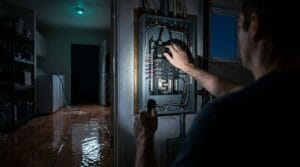
1. Use a Water Alarm
Water alarms that are designed for the home can be very helpful in preventing potential water damage. Homeowners should use standard smoke detectors to protect against fires; similarly, homeowners should also use an electronic device to detect moisture and provide warnings of potential damages. A water damage restoration company can help to install the alarm.2. Use A Slop Sink or Floor Drain
If a household does not already have one, consider adding a “slop sink” in the home. A slop sink can also be known as an overflow basin or floor drain; it is installed at the lowest point of the basement to take in any standing water. This sink is connected to the water alarm mentioned before to alert the homeowner of any leakage that may happen.3. Check The Gutters
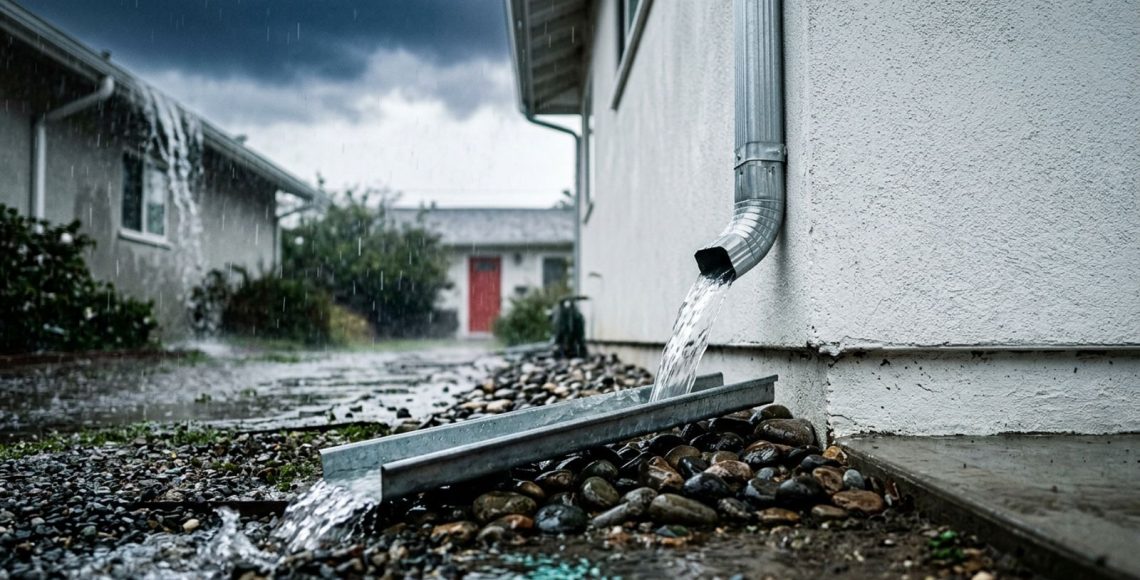
If there are gutter guards on the roof, make sure they are installed correctly and working properly. If no gutter guards are covering the gutters, consider installing gutters to prevent any debris from clogging and causing water to leak into the house.4. Do Not Ignore Issues with Wet Basements
If the basement is wet, do not just let it be. A problem with the plumbing or foundation of the home could lead to more severe damage in the future. Contact a home inspector to check the basement if it is wet. Homeowners can contact water damage services to combat the long-term effects of water damage.5. Put Waterproofing On the Foundation
If there are cracks in the home’s foundation, this could allow standing water into the basement. Waterproofing on top of the exterior wall can prevent any cracking or leakage issues. Water damage professionals will help accomplish this task.6. Keep the Lawn and Landscape Trimmed and Well Kept
Around the house, there should be a few inches of space around the exterior. This area should be free from tall grasses or any debris that can collect water so as not to become weighed down with too much water. Otherwise, the damage will result in the roof or foundation.7. Use a Dehumidifier
Keeping moisture in the air at bay is essential when it comes to preventing water damage. Using a dehumidifier will help do this by reducing humidity in the entire house. Using one of these machines can also help prevent mold from condensing on the walls or other surfaces.8. Have a Professional Check the Sump Pump
If there’s a sump pump in the home, a professional can come and check it regularly to ensure that everything is working properly. A good time for this would be right after a big storm or a flood has happened to carry out water damage restoration.Conclusion
While installing a sump pump can be helpful, it is not the only way to prevent water damage from flooding. By using these tips and tricks, homeowners can ensure that the home is protected from water damage.Frequently Asked Questions
What is the most common cause of water damage in a home?
Plumbing failures are the leading cause, including burst or leaking supply lines, worn toilet and sink connectors, failed water heaters and appliance hoses on washing machines, dishwashers and refrigerators. Roof leaks and drainage problems come next, especially during heavy rain. Many of these start small, so regular checks under sinks and behind appliances catch problems early, before they turn into a costly repair.
Do smart water leak detectors actually work?
Yes, they are one of the best inexpensive upgrades a homeowner can make. Battery sensors placed near water heaters, washers, toilets and sinks sound an alarm or send a phone alert the moment they sense water. Some systems connect to an automatic shutoff valve that closes the main line on its own, which can stop a leak even when nobody is home.
Where should I put water leak sensors in my house?
Place them where leaks start and where water collects: under the kitchen sink, next to the dishwasher, behind the refrigerator, beside the washing machine, at the base of the water heater, near each toilet and by the HVAC condensate drain. If you have a crawl space or basement, put one at the lowest point. A sensor needs to sit flat on the floor to work.
How do I know if my sump pump is working?
Pour a bucket of water into the sump pit and watch. The float should rise, the pump should turn on, and the water should drain quickly before it shuts off again. If it hums without pumping, cycles constantly, or makes grinding noises, it needs service. Test it before the rainy season and after any big storm, and consider a battery backup for power outages.
Does a dehumidifier really help prevent water damage?
It helps with the slow kind. A dehumidifier keeps indoor humidity in the moderate range the EPA recommends, so condensation and mold do not get a foothold. It will not stop a pipe leak, but it protects basements, crawl spaces and closets that stay damp, especially in coastal homes that sit under a heavy marine layer for weeks at a time.
Is water damage prevention worth the money?
Almost always. Things like leak sensors, new washer hoses, gutter cleaning and a sump pump check cost far less than tearing out wet drywall, flooring and cabinets. Prevention also avoids the hassle of an insurance claim, which can affect future premiums. Small yearly maintenance tasks are the cheapest insurance a homeowner can buy against a large, disruptive repair.
Does homeowners insurance cover water damage from a leak?
Most policies cover sudden and accidental leaks, like a burst pipe or a supply line that suddenly fails. They usually do not cover slow leaks, gradual seepage or flooding from outside, which needs separate flood insurance. Insurers also expect reasonable upkeep, so a leak you ignored may be denied. Read your policy, and report any water event right away with photos.
How do I waterproof my foundation from the outside?
Exterior waterproofing usually means digging down to the footing, cleaning the wall, sealing cracks, applying a waterproof membrane and installing a drain system that carries water away. It is a big project best left to a foundation or waterproofing contractor. Easier first steps include making sure soil slopes away from the house and downspouts drain several feet from the foundation.
How can I protect a crawl space from moisture?
Start by fixing drainage outside so water does not pool against the foundation. Inside, a sealed vapor barrier on the ground, sealed vents and a dehumidifier keep the space dry. Many older homes in Ventura County and Santa Barbara County sit on raised foundations, so this matters here. Vortex Restoration offers crawl space encapsulation to keep moisture, mold and pests out.
What should I do first if I find a water leak?
Shut off water at the closest valve or at the main, and turn off electricity to the area if water is near outlets or appliances. Move belongings out of the way, soak up what you can and take photos. Then call for professional drying, since water hides in walls and under floors. Vortex Restoration provides 24/7 emergency water damage restoration and free estimates.