There is extreme shock and pain involved when a house fire happens. Beyond the physical damage, there’s something even more difficult to deal with—the mental toll that fire and smoke damage can cause.
Through the steps below, we will guide you on your journey of both physical and mental healing after a fire, and where to find fire recovery resources that can help you rebuild, both inside and out.
The First Shock: What Fire Leaves Behind
The moments after a fire are often filled with confusion, fear, and grief. Whether the fire was big or small, the damage it leaves behind can feel huge. Fire and smoke damage is not just about blackened walls or broken furniture. It is about losing the feeling of safety in your own home.
You may be left wondering:
- Where do we sleep tonight?
- How do we manage the whole thing?
- What’s next?
These are normal questions. You are not alone in asking them, and more importantly—there is no need to face the answers alone either.
Understanding the Emotional Impact
Fires and smoke damage can bring trauma. For children, the loss of their room or toys can feel like the end of the world. For adults, there may be guilt, stress, and anxiety especially if the fire happened due to an accident. Professionals should be hired for fire and smoke damage cleanup.
Signs of emotional distress include:
- Trouble sleeping or eating
- Nightmares or flashbacks
- Mood swings or feeling numb
- Fear of returning home
This is where emotional support after fire becomes crucial. It’s not “just stress”—it’s real, valid trauma. Recognizing the trauma is the first step toward getting better.
Start with Safety, Then Begin to Heal
Once the fire is out and the flames are gone, the real work begins. Before going in for the cleanup, it is vital to ascertain that your home is safe to enter. For this, a professional inspection is necessary.
After the house is safe to enter, you can start the fire and smoke damage cleanup process. But remember: it’s okay to take breaks, cry, or even walk away for a while. Healing isn’t just about scrubbing walls—it’s about letting your heart recover, too.
Fire and Smoke Damage Cleanup: What to Expect
Smoke does not just leave stains—it seeps into furniture, walls, and even air vents.
Mentioned below are some of the things that are done by professional fire damage restoration experts:
- Removing the soot as well as the smoke stains from all surfaces
- Cleaning and replacing the HVAC filters
- Deodorizing rooms as well as fabrics
- Drying out the water from the firefighting efforts
- Checking for any kind of hidden structural damage
You might want to save sentimental items yourself. But for safety and effectiveness, leave most of the job to experts such as Vortex Restoration, who specialize in fire damage restoration.
Caring for Yourself
After a fire, it’s easy to focus on everything and everyone else—your kids, your partner, your home, the insurance, the paperwork. But somewhere in the middle of all that, you might forget about the most important person in the recovery process.
Feelings of tiredness or being emotionally drained are nothing unusual for someone who has experienced this. You’ve just gone through something traumatic, and your body and mind are trying to catch up. Maybe you’re trying to stay strong for your family, but even strong people need rest and care. So take a moment to breathe. It’s okay to not have it all figured out right now.
It’s best to have a confidant, be it a family member, friend, or a counselor. Just expressing your feelings can often be extremely effective. Try to go outdoors as much as possible, even for small tasks. Sunlight and fresh air can do wonders. If you enjoy writing, jotting down your thoughts in a journal can help process everything that’s happened.
And most importantly—accept help. Whether it’s a neighbor bringing you food or a friend offering to watch the kids while you take a break, let them.
You can’t pour from an empty cup, and your family needs you to be okay, too. So don’t forget: your healing matters just as much as your home’s.
Helping Children Cope
Kids process trauma differently. They may act out, become clingy, or ask the same questions over and over. Give them space, and be honest—but reassuring.
Some tips:
- Let them express their feelings through drawing or talking
- Rebuild routines (like bedtime stories or meals together)
- Encourage them to ask questions
- Remind them they’re safe and loved
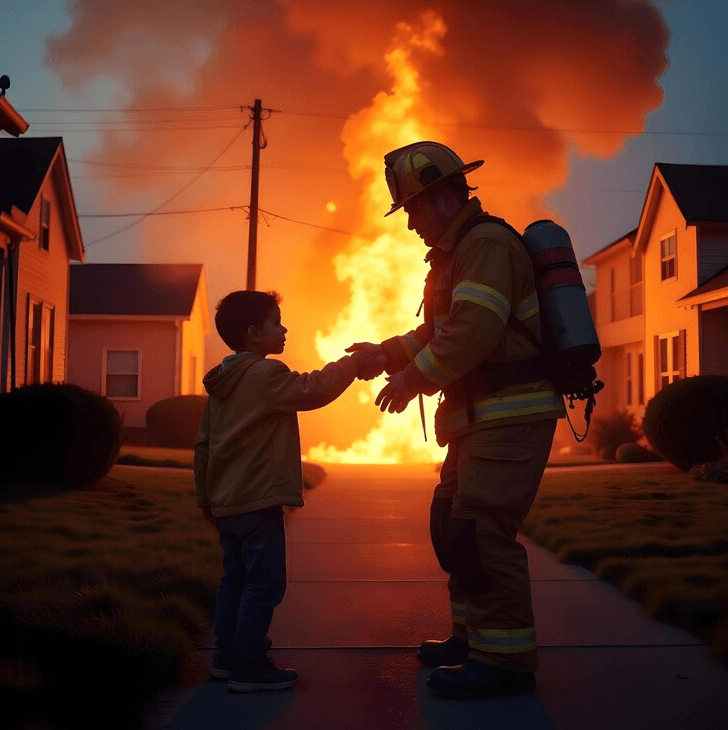
If needed, seek emotional support after fire from a child counselor or school psychologist. Children often bounce back well—but they need a little help from the grown-ups around them.
It will take time to rebuild both your home and yourself. For help with this, you can contact fire recovery services that provide financial as well as emotional support for you and your family.
Organizations that can help:
- Red Cross – Offers shelter, meals, and basic supplies.
- FEMA – It offers financial aid and temporary housing assistance.
- Local government offices – They can offer small grants or cleanup aid.
- Insurance agents – Help file claims and understand your coverage.
- Faith-based groups – Often organize volunteers and donations.
- Community support centers – Offer emotional support and counseling.
You should get in touch with your local fire department or community center for a list of available fire recovery resources in your area. Restoration experts such as Vortex Restoration will also help you tread the path to recovery with ease and assistance.
Final Thoughts: Rebuilding with Hope
Yes, a fire can take away things. But it cannot take away your strength, your resilience, or your hope. With time, care, and the right fire recovery resources, you can rebuild not just your home but your life.
Don’t ignore the emotional side of recovery. Seek emotional support after a fire, talk to others, and give yourself permission to feel.
Remember: Healing takes time, but it does happen. And you are not alone. There will be good days and hard days. You might feel like you’re making progress, only to suddenly break down when you smell smoke or hear a loud bang. That’s part of recovery.
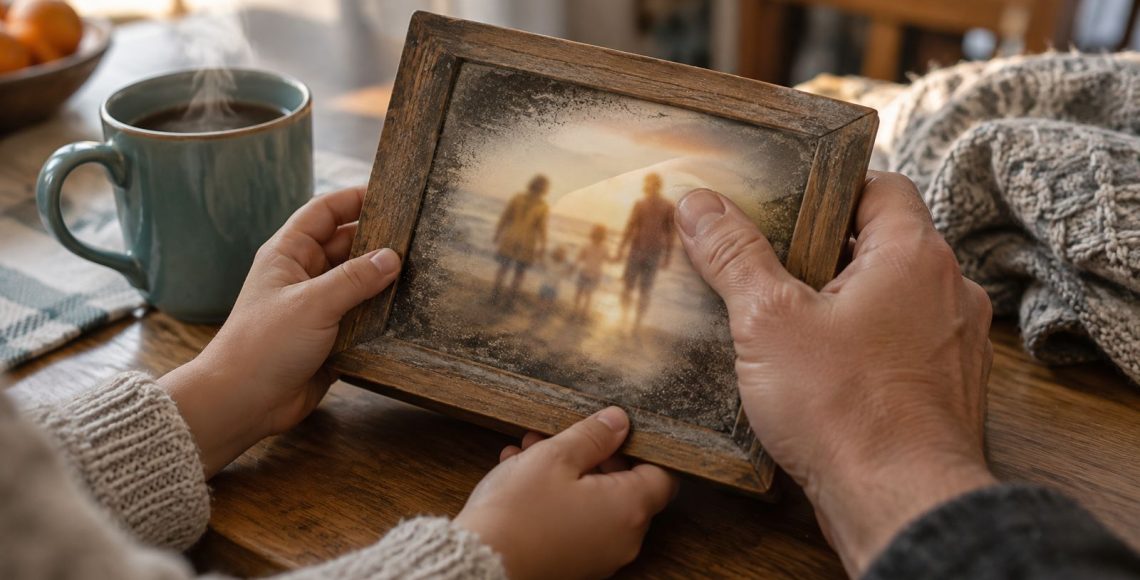
The key is to keep going. Celebrate small wins. A cleaned corner, a salvaged photo, or a child’s smile all of these are steps forward.