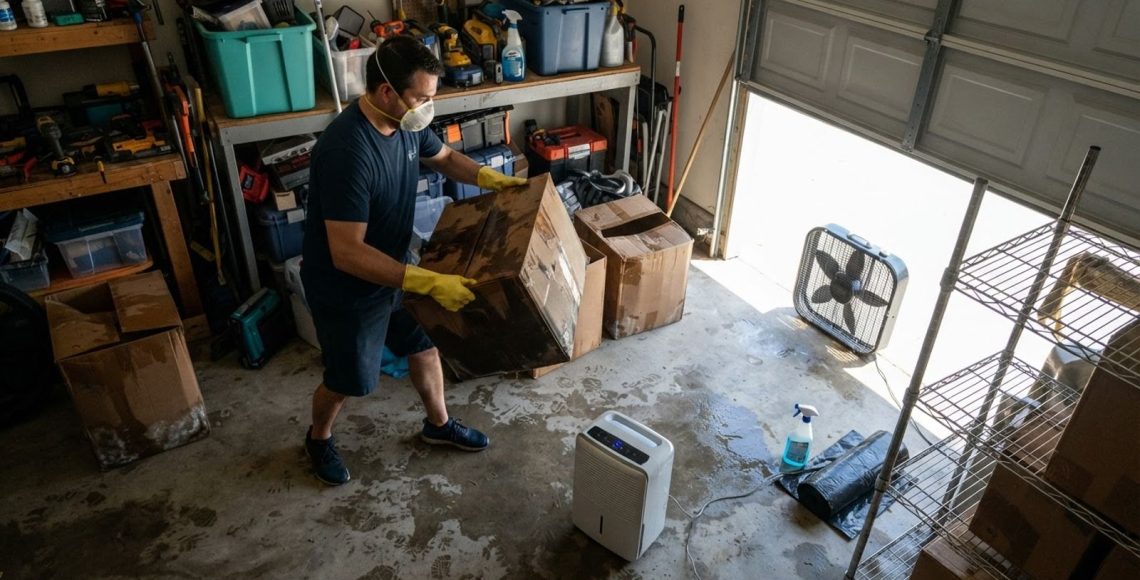
With mold growth, even the most beautiful of places can get ruined. Water damage can often be a trigger for mold growth. Water damage can be caused by the use of water after a fire or due to flooding. Now, whatever the reason for the water damage, it is important that you take necessary steps that prevent mold after the water damage. Hire experts who offer efficient mold removal after water damage services.Mold is a very fast grower; it can be grown in less than 48 hours after water damage. So what is important is that you take the necessary action at the earliest so that any unforeseen situation is prevented. And things do not become grim.Mentioned below are some steps that you must take in case your place is inundated with water:

- Ensure Safety First
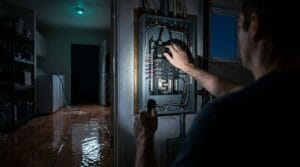
- You must immediately turn off the electricity to ensure that the water doesn’t damage the electrical system. Stay away from all electrical appliances if you are in contact with water.
- A set of protective masks, gloves, and boots (preferably rubber) must also be worn to prevent any contact with the possibly pathogen-carrying water.
- Stop the Source of Water
- After you have ensured your safety, it is time to find the root cause of the water damage. This can mean shutting off a water supply line or patching a leak.
- In cases of flooding, wait for the waters to come down and then only begin with the cleanup process.
- Remove the Standing Water
- Pump out or mop up standing water without any delay. If water stays in a place for a longer duration, the chances of mold growth become very high.
- For huge amounts of water, you will require a vacuum pump to extract. Hire experts like Vortex Restoration Services to make sure that the work is done with complete efficacy and ease. Don’t, however, put your blind trust in these services, and always get a quote from the provider, which will give you an idea of the cost of repair and streamline the process.
- Disinfect and Clean

- You must immediately clean all hard surfaces (this includes the floors, walls, and countertops) with water and detergent. After a rough cleaning, disinfect the surfaces with a solution of bleach and water (roughly 1 cup bleach per gallon of water used). This will clear out the mold on non-porous surfaces.
- Avoid using bleach on porous materials such as wood or fabric, as it will not kill mold spores that are deeply embedded.
- Dry the Area Thoroughly
- Turn on fans to help dry out the area, and use dehumidifiers to improve ventilation. This will help reduce moisture levels.
- Remove any wet items, such as furniture, carpets, and rugs, from the affected space. Doing this will speed up the drying process.
- If the drywall or insulation is wet, it will need to be removed and replaced, as it can trap moisture and promote mold growth.
- Disinfect and Clean
- You must immediately clean all hard surfaces (this includes the floors, walls, and countertops) with water and detergent. After a rough cleaning, disinfect the surfaces with a solution of bleach and water (roughly 1 cup bleach per gallon of water used). This will clear out the mold on non-porous surfaces.
- Avoid using bleach on porous materials such as wood or fabric, as it will not kill mold spores that are deeply embedded.
- Inspect for Hidden Moisture
- Use a moisture meter to check the walls, floors, and other surfaces for remaining dampness.
- Inspect behind walls, under the flooring, and in any other concealed areas where moisture may stay on.
- Identify the Extent of the Problem
- Look for any visible signs of mold such as dark spots or discoloration. If you notice any musty odors then you must approach a professional for help.
- If mold covers an area larger than 10 square feet, it may be necessary to hire a professional mold remediation Trying to do everything yourself without professional assistance may cause more issues later. So, it is ideal for you to seek the right assistance.
- Isolate the Contaminated Area
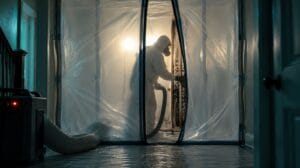
- Close doors and windows in the affected area, so that the mold stays contained in a small region. If it manages to spread outside, it can cause serious damage to the structure of your home.
- Another thing that you must do is to seal off vents in the contaminated area. This will prevent the HVAC system from dispersing the spores.
- Remove the Mold-Infested Materials

- Porous materials like carpets and insulation cannot be cleaned fully, so you will need to dispose of them completely instead of trying to disinfect them.
- Other surfaces like walls and floors can be disinfected with detergent and bleach solutions.
- Clean Thoroughly and Dry
- After removing mold, clean the area thoroughly and continue drying using fans and dehumidifiers.
- Replace any removed building materials only after ensuring the underlying area is completely dry.
- Address the Underlying Moisture Problem
- Fix leaks, improve ventilation, or install vapor barriers to prevent future mold growth.
- Consider using a dehumidifier in areas prone to high humidity, like basements or bathrooms.
- Monitor the Area for Recurrent Mold
- Regularly inspect for signs of moisture or mold in previously affected areas.
- Address any water issues promptly to avoid further mold growth.
- In case you feel that the mold is causing health issues, such as allergies or respiratory problems, you must get in touch with professionals to tackle the situation.
- If the mold is located in hard-to-reach areas or behind walls.
- When mold covers a large area (more than 10 square feet).
- If you experience severe water damage, such as flooding or burst pipes.
- Quick action is extremely important and vital in preventing mold growth after water damage.
- Dry and disinfect all affected areas thoroughly.
- If mold develops, isolate, clean, and monitor the area. This will reduce any chances of future issues.
- Professional help should be taken and is necessary for extensive mold problems.