At Vortex Restoration, here in Camarillo, CA, we know that any kind of water damage to your home or business can be alarming, unexpected, and overwhelming. This is why our professional team provides 24/7 emergency service for a multitude of disasters, including major water damage. We think that knowledge about water damage is a great first step in being prepared to deal with it, so in this post we will discuss the different kinds of water that can cause damage to your property.
Clean Water
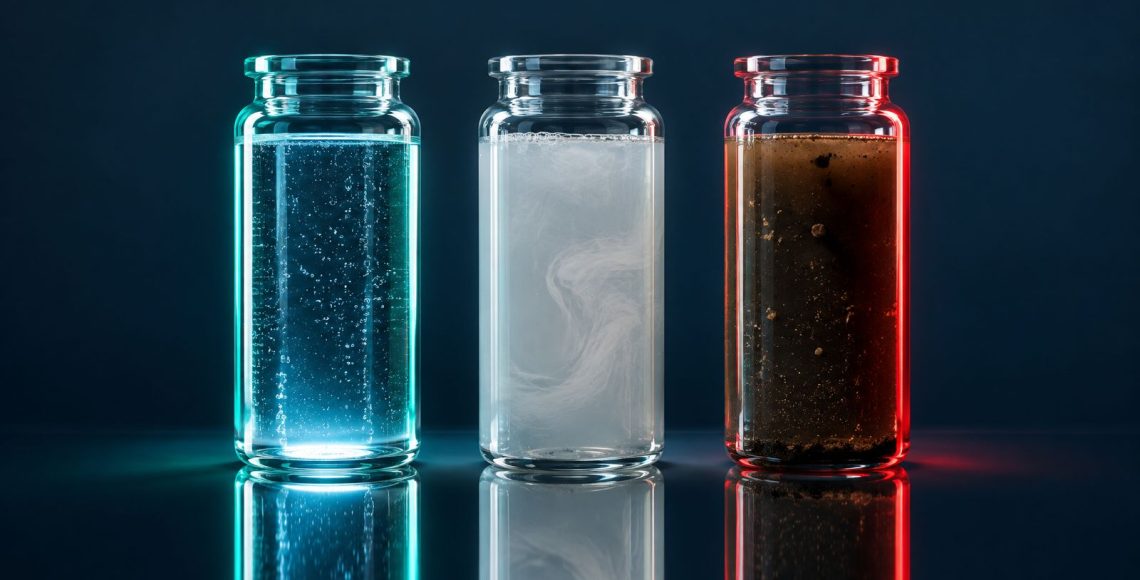
Clean water, while still needing treatment to prevent further damage and the growth of mold in your home or business, does not pose an immediate health risk itself. Damage that comes from clean water is also often referred to as Category 1 water damage. The source of an influx of this type of water is often from rain, snow, and toilet holding tanks containing clean water. Important to remember, water damage is only considered Category 1 if it comes from a sanitary water source and should still be considered a water incident that should be addressed by a professional like Vortex Restoration in Camarillo, CA.
Gray Water
Gray water, also known as Category 2 water damage or sullage, refers to water that is not clean, but may not necessarily be toxic. This water may come from an overflowing bathtub or shower, washing machine, dishwasher, or sink. It doesn’t contain pathogens like Category 3 water damage, but should still be taken seriously and properly handled and removed by a professional, as this water can still contain contaminants and like and water, if left untreated, can cause more damage to your home and business and the growth of mold. If you notice your carpeting, furniture, drywall, or any other part of your property has been excessively exposed to this kind of water, be careful to begin the cleaning process on your own. This category of water does pose potential immediate health risks. It’s key to contact a professional company like Vortex Restoration, as soon as possible because this Category 2 water damage can develop into Category 3 water damage in as little as 48 hours.
Black Water
Black water, also known as Category 3 water damage, is water that has been contaminated with toxic waste such as human waste or other dangerous pathogens. This is water that you may expect to come from flushed toilets, broken sewage pipes, and other sources that may contain waste. This classification of water is full of dangerous bacteria and pathogens that need to be professionally and responsibly cleaned. Water that comes from major storms or hurricanes should also be considered as Category 3 water damage because there is no way to know what contaminates the water contains. This unsanitary water is considered the most dangerous and can pose immediate health risks when someone comes in contact with it.
Time To Contact Vortex Restoration
If your home or business incurs any major exposure to water, it is always a good idea to bring in a professional team like the one at Vortex Restoration, also servicing the surrounding areas. If you are in need of water restoration services in Camarillo, CA contact us as soon as you can so we can begin the process of getting your space back to normal!
Frequently Asked Questions
What is the difference between Category 1, 2 and 3 water damage?
The categories describe how contaminated the water is. Category 1 is clean water from a sanitary source like a supply line. Category 2, or gray water, carries some contamination, like washing machine or dishwasher discharge. Category 3, or black water, is grossly contaminated with sewage or outside floodwater. The category decides how much gets removed and what safety gear crews use.
Can clean water damage turn into gray or black water?
Yes. Clean water picks up contaminants as it sits and soaks through carpet, dirt and building materials. Over time, warmth and bacterial growth can change Category 1 water into Category 2, and Category 2 can degrade into Category 3. That shift often happens within a couple of days. It is one more reason not to let any water loss sit before drying starts.
Is water from a washing machine overflow considered gray water?
Yes, washing machine discharge is a classic example of Category 2 gray water. It can contain detergent, body soils, lint and bacteria from clothing. It is not as dangerous as sewage, but it should not be treated like a clean supply line leak. Carpet pad usually gets replaced, and surfaces need to be cleaned and sanitized before the drying phase finishes.
Is a toilet overflow Category 2 or Category 3 water?
It depends on what is in the bowl. Overflow with feces, or any backup from the sewer line, is Category 3 black water and needs full sewage protocols. Clean bowl or tank water is usually treated as Category 2. Either way, keep kids and pets away, avoid walking through it, and call for sewage cleanup if waste is involved.
Is storm floodwater considered black water?
Yes. Water that rises from outside and flows into a home is treated as Category 3, because it picks up soil, sewage, fertilizers, oil and animal waste along the way. Winter storms in Ventura County and Santa Barbara County can send runoff under doors and into crawl spaces beneath raised foundations. Anything porous that floodwater touches usually needs to be removed.
What is the difference between water damage categories and classes?
Categories describe how dirty the water is. Classes describe how much water there is and how hard it will be to dry. Class 1 is a small area with little absorption, while Class 4 involves deeply soaked materials like hardwood, plaster or concrete that hold water tightly. Together, the category and class tell a technician what to remove and what equipment to set.
Can carpet be saved after black water damage?
Generally, no. Industry standards call for removing carpet and pad that were soaked by Category 3 water, because sewage and floodwater carry bacteria and viruses that cleaning cannot reliably remove from soft fibers. Hard flooring and subfloors can often be cleaned and disinfected instead. Carpet hit by clean water is a different story and can often be dried and cleaned.
Is it safe to clean up gray water myself?
A small gray water spill on a hard floor can be handled if you wear gloves, eye protection and boots, then clean and disinfect the area. Once it reaches carpet, drywall or the subfloor, it gets harder to clean fully and dry properly. Leftover contamination and moisture can lead to odors and mold. For anything beyond a quick spill, a professional is the safer call.
What are the health risks of black water exposure?
Black water can carry bacteria like E. coli, viruses, parasites and chemicals. Contact or splashing can lead to stomach illness, skin infections, eye irritation and respiratory problems, especially for kids, older adults and anyone with a weak immune system. Avoid touching it, keep people and pets out, and do not run fans that can spread contaminated droplets before cleanup.
Does insurance treat sewage backup differently from a burst pipe?
Often, yes. A sudden pipe burst is usually covered under a standard homeowners policy. Sewer or drain backup frequently requires a separate endorsement, and outside flooding needs a flood insurance policy. Check your coverage before something happens. When a loss occurs, a restoration company that works directly with insurance can document the water source and category for your adjuster.