What Is Black Mold?
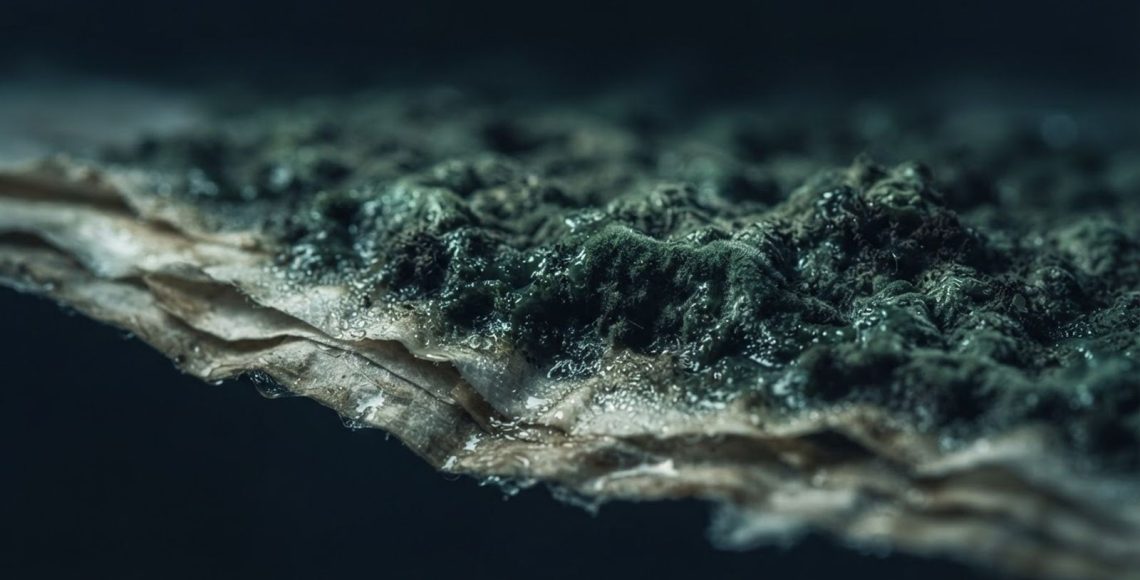
Stachybotrys Chartarum is the scientific name for black mold. Mold is classified into three groups- allergenic, pathogenic, and toxic. Black mold is considered to be a toxic mold. What makes it toxic? Black mold created mycotoxins- a dangerous carcinogen that can cause an array of medical issues and in some cases exposure can be fatal. Black mold doesn’t only affect people- it can have serious repercussions for animals too. Though the name might Insinuate that it is always black in color, it can actually be a range of dark colors like green or brown with a velvety or fuzzy texture. It is typically found as a group of circular spots.What Are The Effects Of Black Mold Exposure?
It is no secret that black mold can have some terrible effects on your health, but it is important to note that it has negative effects on the structure of your home or business and your belongings as well. Most molds will eat away at the surface they inhabit and can cause unsightly cosmetic damage as well as more extreme damage. Do you find yourself feeling under the weather frequently? If you suspect or know of mold in your home it could be causing you to feel unwell. There is a lot of variation between the different types of mold and how they can affect you. Some of the adverse health effects one might experience due to black mold exposure include:- Respiratory infections and other issues
- Asthma attacks
- Itchy, watery eyes
- Runny nose or congestion
- Pneumonia and sinus infections
- Persistent cough
- Fatigue
- Headaches
Where Does Black Mold Grow?
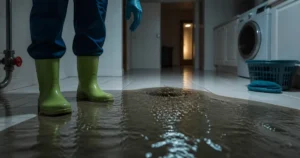
There is one key component when it comes to where black mold will grow- moisture. Black mold thrives in a moist environment like bathrooms, basements, and in areas where there is a leak or standing water. It is best to maintain a healthy humidity between thirty and fifty percent in order to discourage mold growth.Safely Removing Black Mold
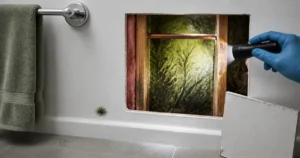
It is not recommended that you handle black mold on your own. By handling mold you are increasing your exposure and putting yourself at risk. It is always advisable to work with a professional mold removal expert to ensure that black mold is completely removed. One of the most important factors to removing mold is addressing the moisture or water that is creating the ideal environment for it to grow. Mold travels through the air as mold spores, which makes the process of removing mold incredibly complex. If not handled properly you can actually cause mold to spread through your home.Dealing with mold is a task no one should have to handle, let alone by themselves. If you think you may have a mold problem, working with a mold removal expert can get the job done quickly and effectively. Take control of your health and improve your environment. Contact Vortex Restoration immediately to get started on your mold removal process right away.Frequently Asked Questions
How can I tell if mold is black mold?
You cannot tell for sure by looking. Plenty of common molds are dark green or black, while Stachybotrys, the one people call black mold, often looks slimy and greenish black when wet. Only a lab can identify the species. The CDC advises treating any indoor mold the same way: find the moisture, remove the growth and fix the cause.
Is Stachybotrys (black mold) really more toxic than other molds?
The term toxic black mold makes it sound uniquely deadly, but the CDC says health effects from different molds are generally similar. Any mold can trigger allergies, asthma flare-ups and irritation, and some people react much more strongly than others. Stachybotrys can produce mycotoxins, so it deserves respect, but every mold problem in a home should be handled promptly.
What are the symptoms of mold exposure in a home?
Common symptoms include a stuffy or runny nose, sneezing, coughing, wheezing, itchy or red eyes and skin irritation. People with asthma, allergies or weakened immune systems often react more strongly. If symptoms get better when you leave the house and come back when you return, that is a clue. Talk with your doctor about any health concerns.
Can I remove black mold myself with bleach?
For a small patch, generally under about ten square feet per EPA guidance, you can clean hard surfaces with detergent and water while wearing gloves, goggles and an N95 mask. Bleach is not recommended for porous materials like drywall and wood because it does not reach growth below the surface. Larger areas, or mold inside walls, should go to professionals.
What does black mold need to grow?
Stachybotrys needs materials that stay wet for a long time, especially things high in cellulose like drywall paper, ceiling tiles, wood and cardboard. That is why it usually shows up after a slow, ongoing leak or flood damage that was never fully dried. Finding it often means water has been present for a while, so the leak needs fixing too.
How do professionals remove black mold?
Professionals set up containment to keep spores from spreading, run air scrubbers with HEPA filters, remove porous materials that cannot be saved, clean and treat the remaining surfaces, and dry the structure. Most important, they fix the moisture source. Our IICRC certified technicians follow that process for mold removal and remediation in homes across Ventura County and Santa Barbara County.
Do I need to leave my house during mold remediation?
Not always. For a contained job in one area, many families stay home while the work area is sealed off. If the mold is widespread, the HVAC system is affected, or someone in the home has asthma, a weak immune system or a new baby, staying somewhere else during the work is a smart choice. Your remediation team should tell you which applies.
Does homeowners insurance cover black mold removal?
It depends on what caused it. If the mold came from a sudden covered event, like a burst pipe, the policy may pay for removal, sometimes with a separate mold limit. Mold from long-term leaks, humidity or skipped maintenance is usually excluded. Vortex Restoration works directly with insurance companies and can document the cause for your claim.
Can black mold make pets sick?
Yes. Dogs and cats breathe the same air you do, and they spend more time close to floors, carpets and baseboards where mold often grows. Signs include coughing, sneezing, nasal discharge, itchy skin and low energy. If your pet seems sick and you have found mold, call your veterinarian and get the moisture problem fixed so it does not keep happening.
Is black mold common in Ventura County homes?
It shows up wherever water sits too long, and our area has plenty of ways for that to happen. Winter storms find weak roofs and flashing, coastal humidity slows drying, and many older homes have raised foundations with damp crawl spaces. Stachybotrys often appears after a roof leak or plumbing leak that went unnoticed behind walls or under floors.