Having mold in your home can be alarming, unsightly, and difficult to remove. The first step in preventing mold growth in your home is to reduce moisture in your home so that you can possibly prevent it from growing in the first place. If you suspect that there is mold in your home, you should contact a professional immediately for mold removal; however, we will cover some of the steps you can take to reduce moisture in your home.
Humidity
It is possible to detect humidity by feeling, but if you are uncertain, you can use a hygrometer. Your home or business should have a moisture level of 30%-50%. If the humidity level is near or above 50%, you will be able to know that it needs to be reduced. These items are generally inexpensive and will let you know that you should reduce it.
HVAC
To prevent air from becoming stale, it is important to get necessary maintenance and change the air filter regularly.
As a result of activities that produce high levels of moisture, such as cooking or taking a shower, it is not uncommon for us to use fans to ventilate our bathrooms and kitchens. Even though you should use the ventilation, it is best to leave the fans running for a little while after you have completed the work in order to remove the humidity more efficiently.
Bathrooms
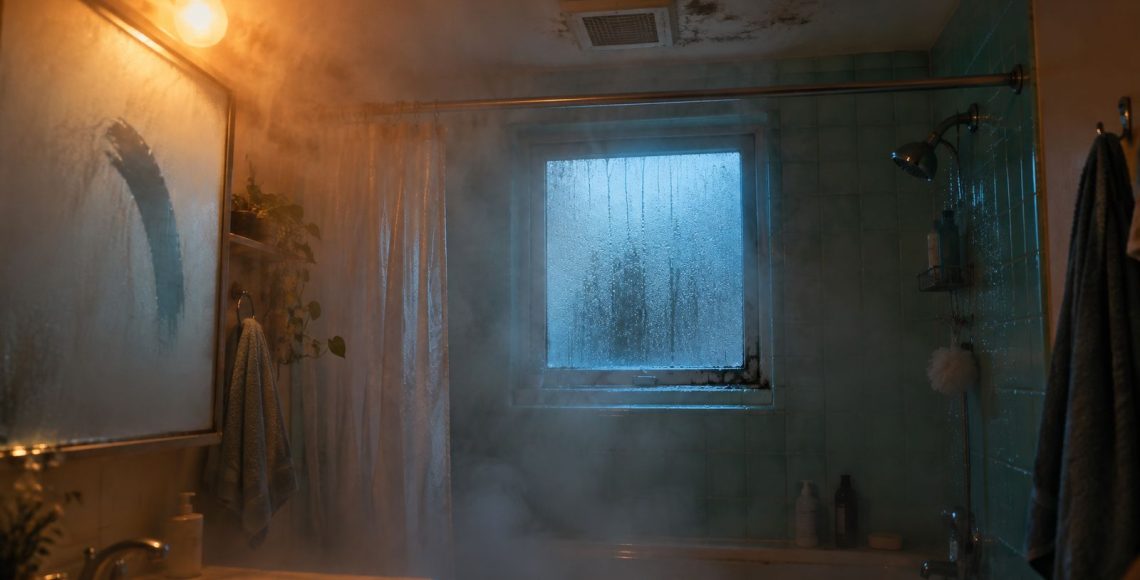
It is well known that showers are one of the greatest culprits responsible for causing humidity and mold growth in our homes. One reason is that many people like hot showers and therefore, there is a significant amount of humidity generated during these showers. If you reduce the level of humidity in your home even just by lowering the temperature of the water in your shower, then you will be able to significantly reduce the humidity levels in your home.
Pipes
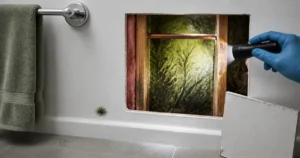
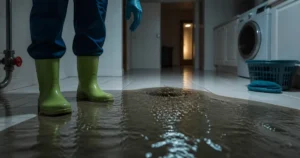
In some cases, moisture comes from non-obvious sources, such as a leaky pipe that may not even be apparent to you. If you notice mold developing in your home or irregular humidity levels in your home, it might be the result of a leak, and you should contact a company like Vortex Restoration as soon as possible to get professional help. It is important to be aware of the following signs of leaks in your home, such as unexplained stains on your walls, wet spots, and an increase in your water bill despite no changes in the amount of water you use.
Combating Humidity
In order to eliminate humidity in your home, you can use a number of different dehumidifiers, including standalone units and those built into your furnace air handler. The most common way is to use a dehumidifier. It is very important to keep the humidity levels at a low level when you use this solution. The result is that you will need to use your air conditioner less often because you will maintain a lower humidity level.
Contact Vortex Restoration
The first thing you should do when you notice mold growing in your home or business is to call a professional so it can be removed in a proper and complete manner as soon as possible. As soon as you notice mold growing in your house, you can contact us here at Vortex Restoration right now for help. Our specialists will have your home back to normal in a short period of time.
Frequently Asked Questions
Why does mold keep returning in the same spot?
Mold returns because the moisture feeding it is still there. Wiping the surface removes what you can see, but in porous materials like drywall and wood the growth reaches below the surface. Until you fix the leak, condensation or humidity problem, it will keep coming back. Badly affected porous materials usually need to be removed, not just cleaned.
Can mold grow in a house without a visible leak?
Yes. Condensation, high indoor humidity and poor airflow can give mold all the moisture it needs. Cold exterior walls behind furniture, closets on outside walls and window frames are common spots. Near the coast in Ventura County and Santa Barbara County, the marine layer keeps air damp for long stretches, which makes ventilation even more important.
How do I find the source of mold in my house?
Follow the moisture. Check under sinks, around toilets, behind the refrigerator, near the water heater and along ceilings below bathrooms. Look at the HVAC drain pan and the area around windows. If you smell mold but cannot find it, a professional can use moisture meters and thermal imaging to locate wet spots inside walls and floors without tearing everything open.
What does a musty smell mean if I cannot see any mold?
A musty smell usually means mold or mildew is growing somewhere you cannot see, like inside a wall, under flooring, in the crawl space or in the ductwork. The odor comes from gases that growing mold releases. Do not just mask it with air fresheners. Find the moisture source first, because the hidden growth will keep spreading until it is dried out.
Why does my bathroom get mold even though I clean it often?
Bathrooms make more moisture than cleaning can keep up with. If the exhaust fan is weak, vents into the attic or gets shut off too soon, steam settles on ceilings, grout and caulk. Run the fan during the shower and for a while after, squeegee the walls, and replace cracked caulk. Peeling ceiling paint often points to a ventilation problem.
Does a dehumidifier help prevent mold?
Yes, a dehumidifier helps by pulling moisture out of the air so mold has less to work with. Pick one sized for the space, empty it regularly or set it to drain on its own, and use a cheap hygrometer to see how the room is doing. It will not fix a leaking pipe or roof, so repair those first.
How fast can mold start growing after water damage?
Mold can start growing on wet building materials within 24 to 48 hours, according to the EPA. That is why fast drying matters so much after a leak or flood. Carpet pad, drywall and insulation hold water and are hard to dry with fans alone. Professional water damage restoration uses commercial drying equipment and moisture readings to confirm everything is dry.
Can mold come into my house from outside?
Mold spores are everywhere outdoors, and they ride into your home through open doors and windows, on clothes and pets, and through HVAC systems. That part cannot be stopped. What you can control is moisture. Spores only grow into a mold problem when they land on something damp, so dry, well-ventilated rooms stay mold-free even with spores in the air.
Can a damp crawl space cause mold inside the house?
Yes. Air from the crawl space rises into the living space, carrying moisture, musty odors and mold spores with it. Many older homes in Ventura County and Santa Barbara County sit on raised foundations with dirt crawl spaces that stay damp. Sealing the ground with a vapor barrier or encapsulating the crawl space can cut that moisture off at the source.
Should I get a mold test before cleanup?
If you can see mold, testing usually is not needed to start cleanup, and the EPA says sampling is not always necessary. Testing helps when you suspect hidden mold, when someone in the home has health concerns, or after remediation to confirm the work succeeded. Fixing the moisture source matters more than knowing the exact species.