Frequently Asked Questions
What is the leading cause of house fires?
Cooking is the leading cause of home fires and fire injuries, according to the National Fire Protection Association. Most kitchen fires start when someone leaves food on the stove unattended. Stay in the kitchen while you fry, grill or broil, keep anything that can burn away from the stovetop, and turn pot handles inward so they do not get bumped.
How often should I test and replace smoke alarms?
Test every smoke alarm once a month using the test button. Replace batteries according to the manufacturer, and replace the whole alarm once it is ten years old, since the sensors wear out. Put alarms inside each bedroom, outside sleeping areas and on every level. Interconnected alarms are best, because when one sounds, they all sound.
What kind of fire extinguisher should I keep at home?
A multipurpose ABC extinguisher covers most home fires, including paper, wood, fabric, flammable liquids and electrical fires. Keep one in the kitchen, one in the garage and one on each level. Learn the PASS method: pull the pin, aim at the base, squeeze the handle and sweep side to side. If the fire is spreading, get out and call 911.
How often should I clean my dryer vent?
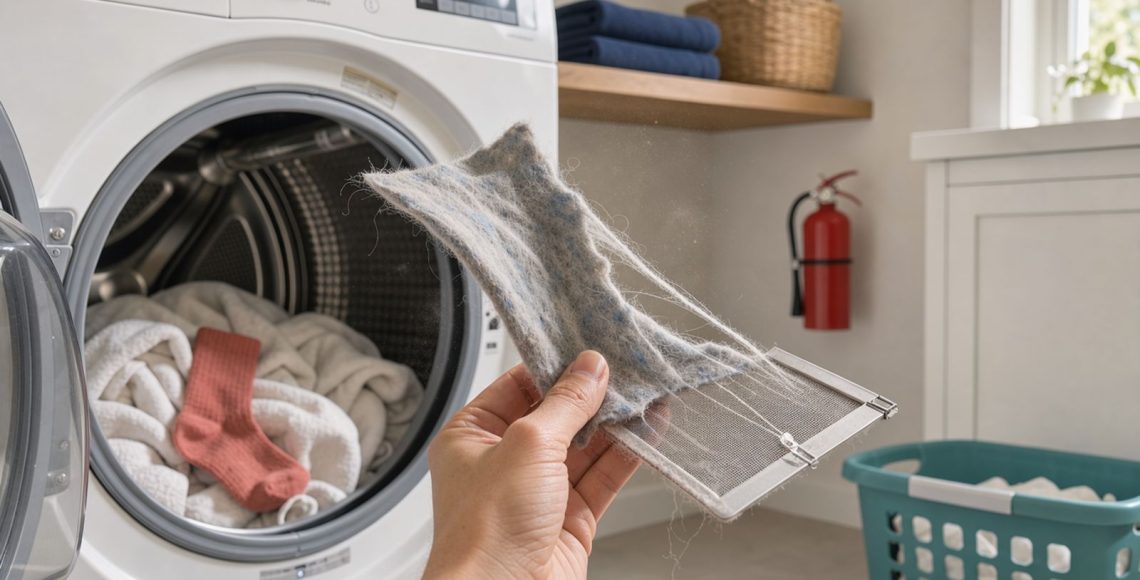
Clean the lint screen after every load and have the vent duct cleaned at least once a year, or more often with heavy use. Warning signs of a clogged vent include clothes taking longer to dry, a hot dryer cabinet and a burning smell. Replace plastic or foil accordion ducts with rigid or semi-rigid metal duct, which is safer.
Is it safe to use extension cords permanently?
No. Extension cords are meant for temporary use. Running them long term, especially under rugs or behind furniture, can lead to overheating and damaged insulation that sparks a fire. Never plug space heaters or other major appliances into an extension cord or power strip. If you need more outlets, have a licensed electrician add them.
How do I safely get rid of fireplace ashes?
Scoop ashes into a metal can with a tight lid, set it outside on a noncombustible surface, and keep it well away from the house, deck and woodpile. Ashes can hold live embers for days. In Ventura County and Santa Barbara County, a gust of Santa Ana or sundowner wind can carry those embers into dry brush, so never dump ashes in the yard.
Are space heaters a fire risk?
Yes, they are a leading cause of home heating fires. Keep heaters at least three feet away from anything that can burn, like bedding, curtains and furniture. Plug them straight into a wall outlet, choose models with automatic tip-over and overheat shutoff, and turn them off when you leave the room or go to sleep.
Does my family really need a fire escape plan?
Yes. A fire can fill a home with smoke very quickly, and people who have practiced know what to do without thinking. Map two ways out of every room, pick a meeting spot outside, and make sure windows open easily. Practice the plan with everyone, including kids, at least twice a year, and once at night.
How do I put out a grease fire on the stove?
Never use water, since it makes burning grease explode outward. Turn off the burner and slide a metal lid or cookie sheet over the pan to smother the flames. Leave it covered until it cools. Baking soda or salt can work on a very small fire. If the fire spreads beyond the pan, get everyone out and call 911.
What should I do after a small kitchen fire?
Even a small fire leaves soot and smoke odor far beyond the kitchen, often inside cabinets, ducts and other rooms. Do not wipe soot with wet rags, which smears it into surfaces. Take photos and call your insurer. Homeowners across Ventura County and Santa Barbara County rely on our fire and smoke damage restoration to clean properly.