Do you suspect mold in your home? If yes, then you need to have the mold removed and remediated as soon as possible. But do you have a background or experience in dealing with mold problems? If you don’t, then you need to call a mold removal contractor to do the job right.
Mold growth inside your home is detrimental to your family’s health. It can cause respiratory and skin problems and even damage to your home's structure. If testing is needed, an independent mold assessor can determine the extent of your mold problem. Homeowners should seek the help of a qualified and experienced mold removal contractor for proper mold removal and remediation.
Mold growth can happen to any home especially those in humid environments or that are prone to storms. Even though most people do general cleaning, they can forget to check out certain places that mold can grow for months without anyone noticing. The following are some of these unusual places:
Kitchen and Living Room Chimneys
Mold grows in the most unusual places that house cleaners cannot see or expect to find. Most of them clean the visible areas only and forget the hidden sites. Most chimneys have bricks, especially the outside areas that need regular checking too.
The bricks are cold and moist during the cold season, making them perfect for the mold to grow. Other organics are also found there, which makes it even more convenient. Additionally, the chimney caps collect a lot of rain and snow, making it even more favorable for mold growth.
Carpets
People living in a damp and cold house can relate to this scenario. Most homes that are based in cold environments have carpets. However, carpets not only keep the feet safe from touching the cold floors but also hide molds because they are close to the cold floor. Therefore, carpets are primarily damp, which makes them a convenient environment for mold to grow.
To avoid mold growth underneath the carpet, it is best always to remove the carpet and clean the floor regularly. It is also advised to use at least more than one carpet. In this way, homeowners can change the carpet easily if they need to wash one stained area.
Air Conditioners
Some of the contributing factors for mold growth include dirt and pollen grains. So, when the air conditioner (AC) attracts air, it carries all of these elements. Even machines and appliances that haven’t been in use for a long time harbor dirt and put your home at risk for mold invasion.
Some air conditioners may also be damp, making it easier for mold to live in them. To prevent this problem, homeowners should run their air conditioners and clean them regularly. Keep the air conditioner in a dry area that won’t likely attract dust particles in warm and hot seasons.
Attic
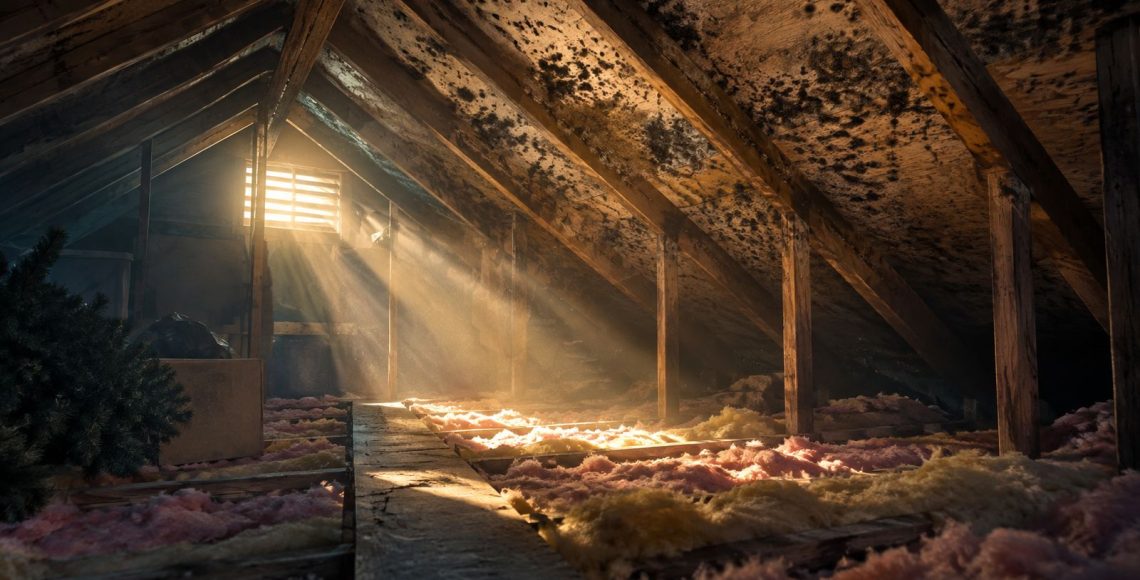
As mentioned, any form of damp, wet, or cold area makes a good place for mold to thrive and proliferate. Therefore, if the house has water leaks, like slab leaks, especially when it rains, be sure to check that area for moisture and signs of mold.
The attic is characterized by cold and dust particles. Therefore, it is possible to find mold growing in this area of the house. To avoid mold growth, check the attic and clean it regularly. Mold removal and remediation services can help homeowners eliminate mold and learn how to keep their homes mold-free
Bathroom Doors and Windows
The bathroom is an always wet area of a house. People routinely forget to wash the bathroom windows, doors, and tile corners. Unfortunately, those places are the favorable growing areas of mold.
Some people don't even wash their bathrooms. Sounds crazy but, some homeowners assume the bathroom is clean and doesn’t need regular scrubbing because it’s a place where people take a bath or shower. However, this wrong assumption should change. A regular bathroom cleaning routine is essential to avoid nuisance mold growth. In addition, in case your overnight house guests want to take a shower, you won’t feel embarrassed allowing them to use your clean bathroom.
In Conclusion
Molds are very unhealthy to have in the house. Therefore, homeowners should stay on the lookout for any chances of mold growing, especially in the uncommon places we listed above. Avoid damp and dusty areas at home as they will be a convenient growing spot for mold. If you’re unsure how to check hidden mold and resolve a mold problem, you should call your trusted mold removal company today!
Frequently Asked Questions
Where does mold hide in a house that people forget to check?
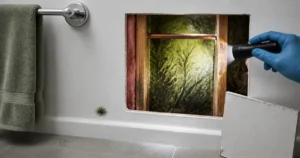
Common hidden spots include behind and under the refrigerator, under kitchen and bathroom sinks, inside the dishwasher door seal, around window tracks, behind wallpaper, in closets on exterior walls and in the crawl space. These areas are dark, rarely disturbed and often a little damp. Pull appliances out and open cabinets with a flashlight a couple of times a year.
Can mold grow inside a chimney?
Yes. Brick and mortar soak up rain, and a missing or damaged chimney cap lets water pour straight in. Leaves and debris inside give mold something to feed on. Signs include a musty smell when the weather turns damp, white mineral stains on the brick and water in the firebox. A chimney sweep can inspect the cap, crown and flashing.
Can mold grow under carpet without showing on top?
Yes. Carpet pad holds moisture from spills, pet accidents, leaks and damp slabs, and mold can grow underneath long before anything appears on the surface. Watch for a musty smell, dark spots along baseboards and carpet that feels damp or cool. After a flood or major leak, wet pad usually needs to be replaced rather than dried in place.
How do I know if my air conditioner has mold?
A musty or dirty sock smell when the system kicks on is a common sign. You may also see dark spots on vent covers or around the indoor unit, or notice that allergy symptoms get worse when the AC runs. A clogged drain line or standing water in the drain pan often causes it. Have an HVAC technician clean the coil and pan.
What causes mold to grow in an attic?
Attic mold usually comes from poor ventilation, bathroom or kitchen fans that vent into the attic instead of outside, small roof leaks and condensation. Near the coast in Ventura County, cool, damp nights can cause moisture to collect on the underside of the roof sheathing. Look for dark staining on the wood, damp insulation and a stuffy, musty smell.
Can mold grow in a front-load washing machine?
Yes, front-load washers are known for it. The rubber door gasket traps water, lint and detergent residue, which is a perfect spot for mold. Wipe the gasket dry after the last load, leave the door and detergent drawer open so they can air out, use the right detergent for your machine and run a cleaning cycle regularly.
Is mold on my window sills a sign of a bigger problem?
Sometimes. A little mold on window sills usually comes from condensation, which is common in coastal homes in Santa Barbara County and Ventura County where the marine layer keeps the air damp. Clean it and improve airflow. If you see staining on the wall below, peeling paint or soft wood, water may be getting into the wall itself and needs a closer look.
Can mold grow inside walls without me knowing?
Yes. A slow plumbing leak, roof leak or condensation inside a wall can feed mold for months before anything shows. Clues include a musty smell, bubbling or peeling paint, baseboards pulling away and stains that keep coming back. Professionals can check with moisture meters and thermal imaging. Our mold remediation team can open the wall safely if needed.
Can mold grow in a closet?
Yes, especially closets on exterior walls. They stay closed, get little airflow and stay cooler than the rest of the house, so moisture settles on walls and stored items. Do not pack them too tightly, leave a little space between clothes and the wall, and crack the door open now and then. A small moisture absorber can help in damp areas.
Can mold grow on things stored in my garage?
Yes. Cardboard boxes, old papers, fabric and furniture stored in a garage can pick up mold when the space gets damp, especially if boxes sit right on the concrete floor. Use sealed plastic bins, raise items on shelves and keep a gap from the walls. If belongings already have mold, some can be professionally cleaned and some are better replaced.